Skip to content
Wild sloth guide

Where to See Sloths in Costa Rica

They're slow, they're everywhere, and they're almost impossible to spot on your own. Here's where to look, town by town, and the local guides and operators who know where they live, compared and ranked.

By Lior, wildlife photographer and guide from Guanacaste

Reserve with a 25% deposit on secure WeTravel checkout · Refundable up to 60 days before trips, 48 h before day tours

The short answer

Where
Caribbean coast, Manuel Antonio, La Fortuna
Plus Tortuguero, Uvita and Osa
When
All year, best in the morning
Two-toed sloths come out after dark
Why go with a guide
They know which trees sloths use
On your own, sloths look like a clump of leaves.
Can you hold one?
No
Touching stresses them. Costa Rica asks you not to.

I’m here for


Lyferr is a marketplace

We don’t run tours. Licensed local guides and operators list them, we rank them openly, and you reserve through Lyferr’s secure checkout on WeTravel.

How it works

Where to look

Look up, then look higher

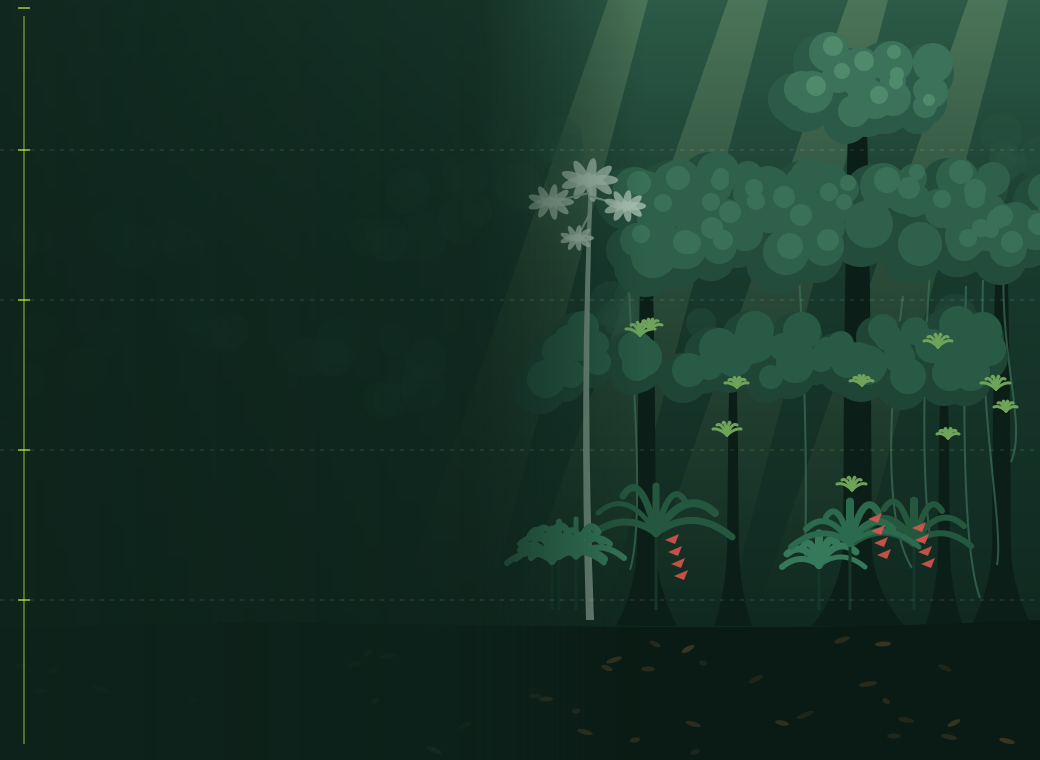
Most people miss sloths because they scan at eye level. Here's where each one spends its time, from the canopy down to the ground.

  1. Top of the canopy30 m and up

    • Rarely here

    Too exposed and too windy for a slow animal.

  2. Canopy20 to 30 m

    • Three-toed sloth

    Curled in the fork of a cecropia, often soaking up morning sun.

  3. Mid-canopy10 to 20 m

    • Two-toed sloth
    • Three-toed sloth

    Both feed here. Two-toed sloths hide inside vine tangles.

  4. Understory2 to 10 m

    • Two-toed sloth

    Comes lower at night and after rain. Your best photo chance.

  5. Ground0 m

    • Both, about once a week

    They climb down to go to the toilet. Rare to see. Never touch.

  • Find the cecropia

    Silver-backed leaves shaped like an open hand. Three-toed sloths love them.

  • Look for a ball, not a sloth

    Most sightings are a still brown lump in a fork. Scan for shapes, not movement.

  • Let the scope do the work

    Guides carry a spotting scope. It turns a dot at 25 m into a face, and into a phone photo.

Every guide on Lyferr carries a scope and knows which trees to check.

Compare sloth tours
Back to “I’m here for”

Where to go

The 10 best places to see wild sloths

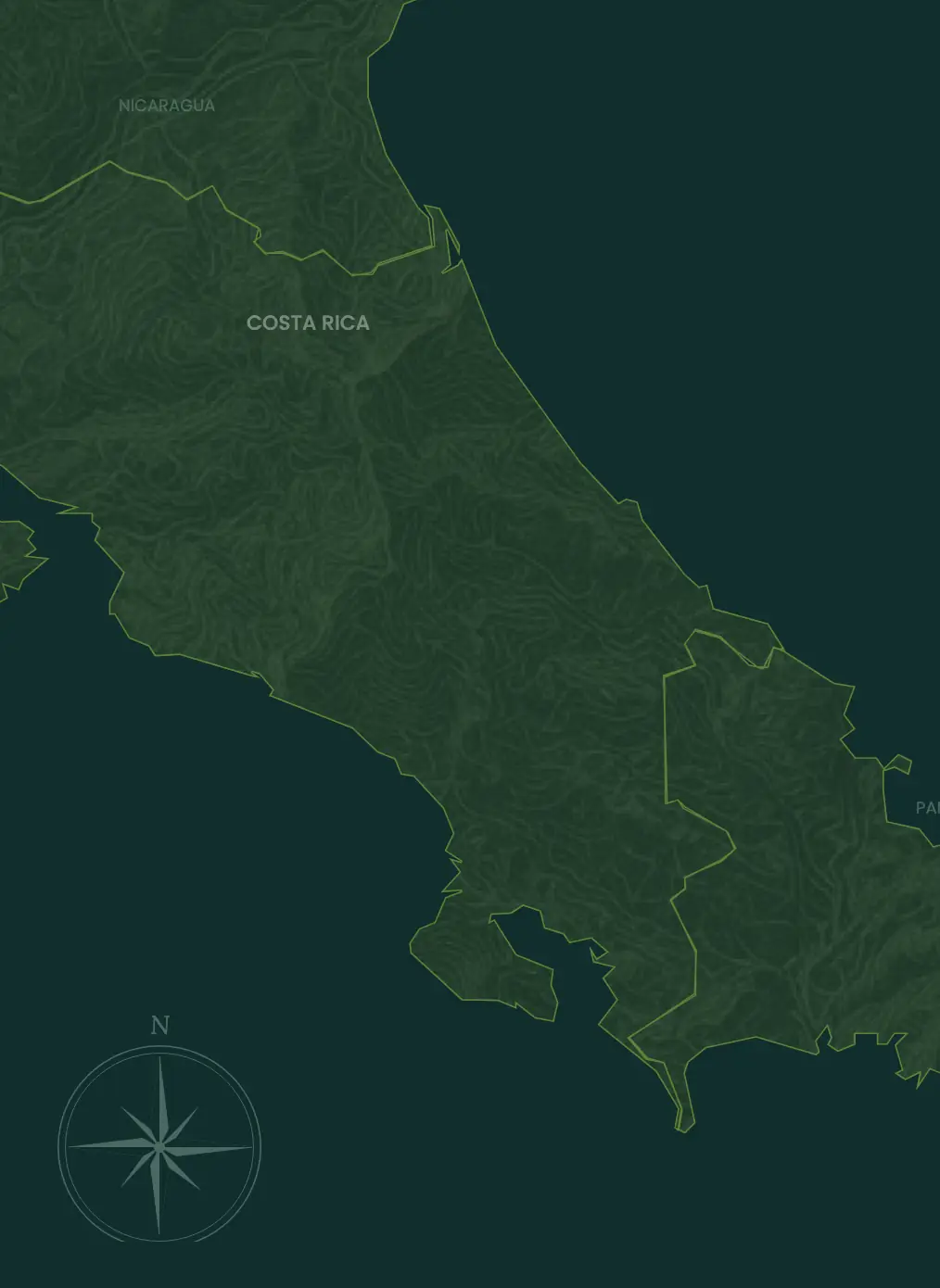
Sloths need connected trees and warm, humid forest: the Caribbean, the northern plains and the south and central Pacific. You won't find wild sloths in the dry forest around Tamarindo and Nosara.

Map of Costa Rica with the 10 best spots marked: Manuel Antonio, Cahuita, Puerto Viejo, Tortuguero, La Fortuna, Sarapiquí, Uvita, Osa, Jacó, Monteverde
Spot
01Manuel AntonioCentral Pacific · both species
02CahuitaSouth Caribbean · both species · good for photos
03Puerto ViejoSouth Caribbean · even in town
04TortugueroNorth Caribbean · by boat
05La Fortuna (Arenal)Northern plains · day + night · good for photos
06SarapiquíNorthern plains · reserve walks · good for photos
07Uvita and DominicalSouth Pacific · both species
08Osa and Drake BaySouth Pacific · full-day hikes
09Jacó and CararaCentral Pacific · both species
10MonteverdeCloud forest · two-toed, at night
FOR PHOTOGRAPHERS

Best eye-level spots for photos: Cahuita, Sarapiquí and La Fortuna. Lens and light for each spot are in the photography guide.

Photography guide

Town by town

Are there sloths where you're staying?

Species expert program

Find a certified Sloth Expert

Lyferr certifies guides one species at a time. A Sloth Expert has the strongest proven record on Lyferr for finding and photographing sloths, which makes them your best odds for a good sighting and a good shot.

  1. 175+ logged sloth tripsCounted on Lyferr for this species only, not for wildlife tours in general.
  2. 290%+ composite scoreSighting success, cross-checked with public sighting records, weighted with traveller ratings of the guide's species knowledge.
  3. 3Earned species by speciesA guide can hold several badges. Each one is earned on its own and kept once earned.

How guides move up, one species at a time

  1. 01EmergingUnder 20 trips
  2. 02Skilled20+ trips · 60%+ score
  3. 03Specialist40+ trips · 75%+ score
  4. 04Species Expert75+ trips · 90%+ score
Founding experts

At launch, we award Founding Expert badges to guides with several years of premium tours focused on this species. Each one is confirmed or removed once the guide has logged 20 trips on Lyferr. After that, the badge is earned with logged trips and score.

No guide can promise a sighting. The badge shows the strongest track record for this species, not a guarantee.

See Sloth Expert guides

Day tours from local guides

Compare sloth tours from local guides

Day tours run by independent local guides, all held to the no-touch, no-feeding standard.

Ranked by sighting success, verified reviews and licence

Sloths tours from local guides are being added. Tell us your dates and where you’re staying, and we’ll match you with a guide.

Ask Lyferr
  • Clear refunds

    up to 60 days before trips, 48 h before day tours, on every booking made through Lyferr. Booking fee (11% of the price) excluded.

  • Reserve with 25%

    secure checkout on WeTravel, the rest paid before your tour

  • Group size, upfront

    every listing shows its maximum group size

  • Your guide, confirmed

    guide's name and WhatsApp arrive in your booking confirmation

  • Real reviews

    only travellers who booked can review

How booking works

  1. 1Pick a tour or trip on Lyferr
  2. 2Choose your date and pay the 25% deposit on WeTravel
  3. 3The guide confirms within 24 h. Their WhatsApp arrives with your confirmation

Prices are set by each guide. The 25% deposit includes Lyferr’s booking fee (11% of the price), shown before you pay. Each card opens the tour’s booking page on WeTravel.

Which species will you see?

Two-toed vs three-toed sloths

Costa Rica has two sloth species. Scientists now often call them two-fingered and three-fingered sloths, because the difference is in the front limbs. Both have three toes on their back feet.

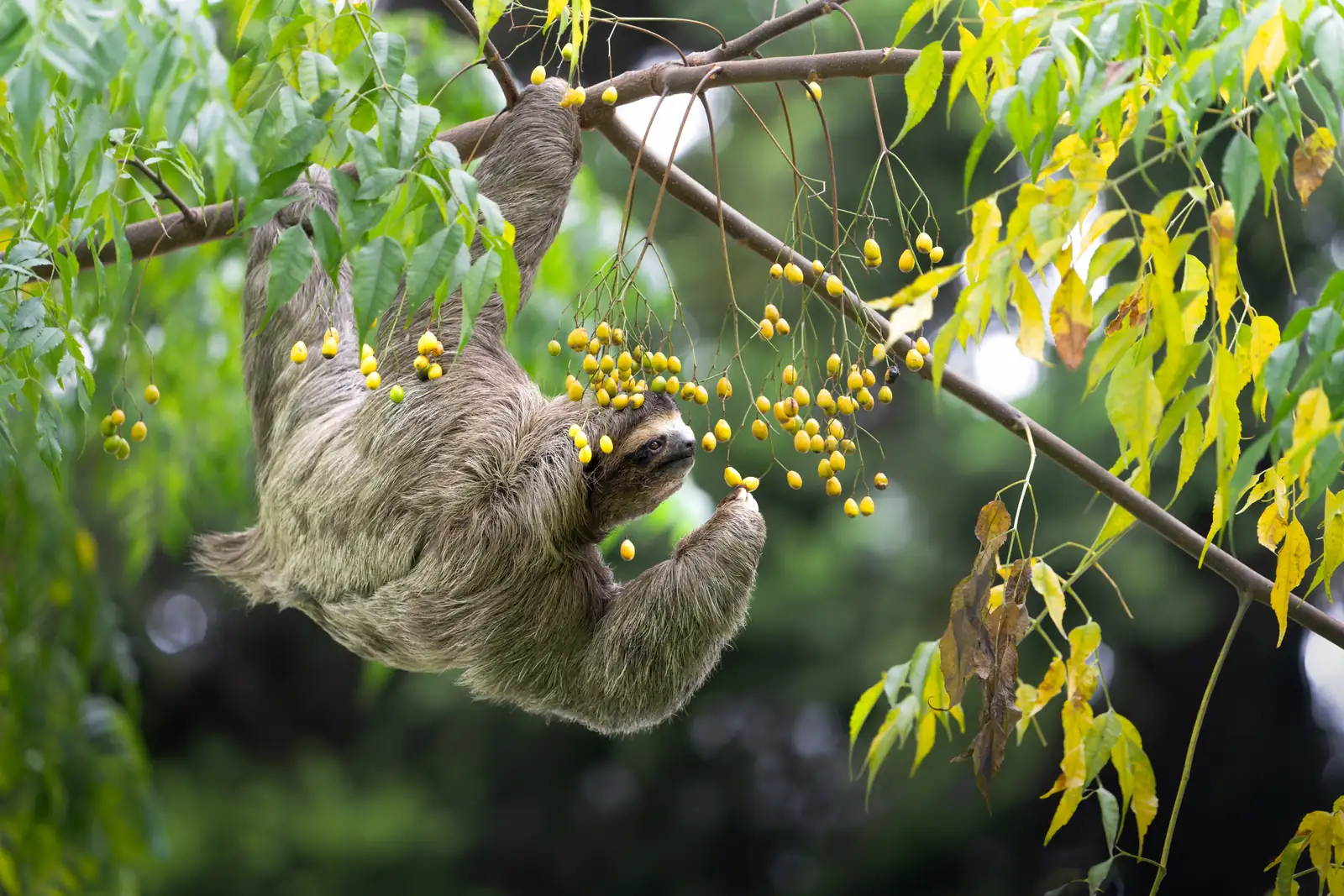
Brown-throated three-toed slothPhoto: Brown-throated three-toed sloth
Brown-throated three-toed sloth

Bradypus variegatus

Face
Dark mask around the eyes, a built-in smile
Front claws
Three
Active
Mostly by day
Where you'll see it
Sunning itself high in cecropia trees
Best tour
Morning guided walk
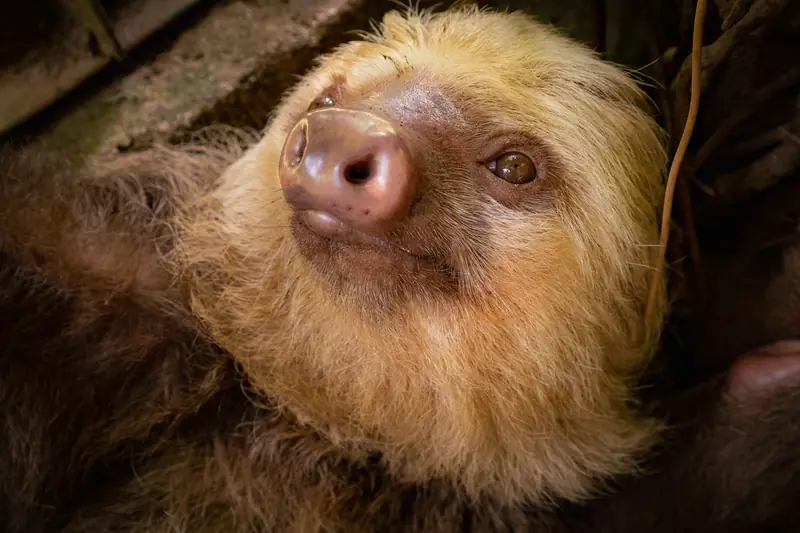
Hoffmann's two-toed slothPhoto: Hoffmann's two-toed sloth

Hoffmann's two-toed sloth

Choloepus hoffmanni

Face
Paler face, longer snout
Front claws
Two
Active
Mostly at night
Where you'll see it
On a night walk, moving through vines
Best tour
Night walk

Want to see both species? Compare day and night tours in La Fortuna

Compare La Fortuna tours
Back to “I’m here for”
FOR PHOTOGRAPHERS

Three-toed sloths bask on open branches mid-morning, the easiest daylight portraits. Two-toed sloths only move at night, so plan for high ISO.

Photography guide

When to go

When is the best time to see sloths?

Any month. Sloths live in the same patch of forest all year, so there's no sloth season. Time of day matters more. Three-toed sloths often climb into the sun on cool mornings, especially after rain, which is when they're easiest to spot. Two-toed sloths wake up after dark.

Why a guide matters

How guides find sloths when you can't

Most visitors walk right under a sloth without noticing. Good guides find them by:

  • Knowing the trees. Three-toed sloths favour cecropia and often stay in the same ones for days.
  • Checking the same spots daily and sharing sightings with other guides.
  • Reading the shape: a dark, rounded mass in a fork, or a hanging arm.
  • Carrying a spotting scope, so you see the face, not a brown dot 30 metres up.

Not sure where to go? Send us your dates and where you're staying, and we'll suggest the right guide.

Ask Lyferr a question
FOR PHOTOGRAPHERS

Best light is 5:30 to 8:30 am. Many photographers prefer the green season for soft, overcast light.

Photography guide

Active hours

When they're awake, hour by hour

Read across the day. Dark green is when they move and feed, which is when a guide is most likely to find them and you get the best photos.

  • Three-toed sloth: most active 8 am to 12 pm
  • Two-toed sloth: most active 12 am to 4 am and 8 pm to 12 am
  • Guided day walks: most active 6 am to 11 am
  • Night walks: most active 6 pm to 9 pm

Based on what our local guides see on the trail. Animals keep their own schedule, so treat this as odds, not a timetable.

Tours are timed for the best hours. Night walks are listed separately.

See night walks
Back to “I’m here for”
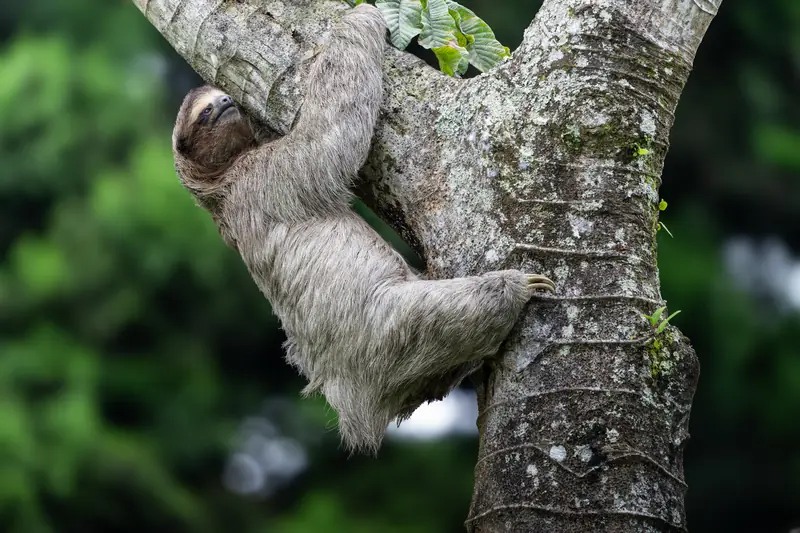
Three-toed sloth on a lichen-covered trunk

For photographers

Photographing sloths: the full field guide

  • Camera settings for six situations, from backlit canopy to night walks
  • When the light is best, by hour and by season
  • The six best spots for eye-level shots, and the lens each needs
  • Photo guides ranked by photography expertise

Ethical wildlife watching

Wild sloths, not selfies

Wild sloths vs sloth sanctuaries

Some "sloth sanctuaries" are genuine rescue centres that rehabilitate injured sloths and release them. Others are attractions that keep sloths for visitors. A good rescue centre doesn't let you touch the animals, explains its release work, and doesn't breed sloths for display.

Seeing a sloth in the wild is a different experience: it's living its normal life, on its own terms, and you're the guest. Every tour listed on Lyferr has to work that way.

Short answer: no

Can you hold a sloth in Costa Rica?

Sloths are wild animals that react to handling with stress, even when they look calm. Their slow movement is how they cope with danger, not a sign that they're relaxed.

In 2019 Costa Rica launched its Stop Animal Selfies campaign, asking visitors not to touch, hold or pose with wild animals. The Sloth Conservation Foundation calls sloths the number one victim of the wildlife selfie trade. If anyone offers you a photo holding a sloth, say no and report it.

See sloths in the wild, with a guide who never touches them

Find a no-touch guide
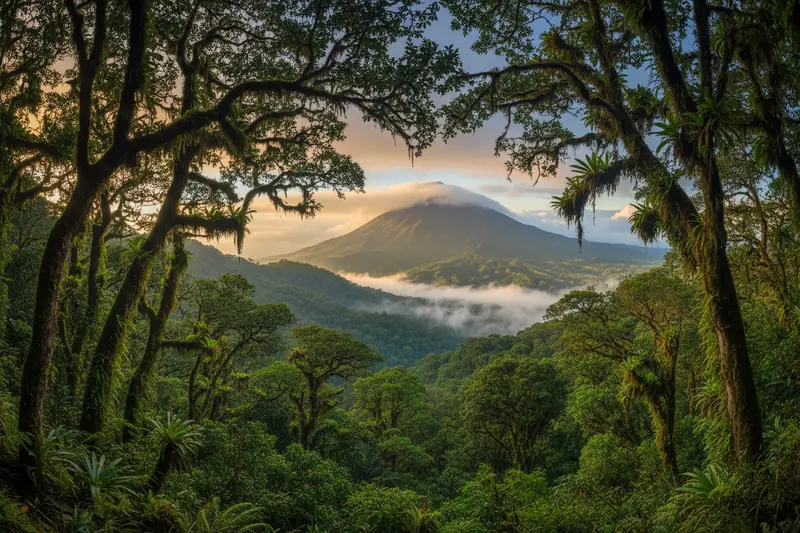
Humid forest below a volcano, sloth habitat

The sighting everyone wants

Baby sloths

Sloths have one baby at a time. Three-toed sloths are pregnant for around six months, two-toed sloths for about 11 and a half. The baby clings to its mother's chest for about six months, then stays close until it's about a year old.

A mother with a baby is one of the most sensitive sightings you can have. Keep your distance and keep your voice down.

Mothers with babies are around all year. Morning walks are the best time to look.

See morning walks
Back to “I’m here for”

Sloth facts people ask about

  • 90%of their lives spent upside down
  • ~10 hrsof sleep a day in the wild, not the 15 to 20 often quoted from captive sloths
  • 1x / weekthey come down to the ground, when they're most at risk
  • 2021Costa Rica declared both species national symbols of wildlife
  • Perezosois sloth in Spanish

Who wrote this

Lior, founder of Lyferr

Wildlife photographer and guide who grew up in Guanacaste, and a finalist in the Sony World Photography Awards and Wildlife Photographer of the Year. Lior has spent years finding and photographing sloths across Costa Rica. This guide is what he tells friends before they go.

  • Sony World Photography Awards finalist
  • Wildlife Photographer of the Year finalist
  • Born in Guanacaste

How we rank guides and operators

FAQ

Frequently asked questions

Are there sloths in Costa Rica?

Yes. Costa Rica has two species, the brown-throated three-toed sloth and Hoffmann's two-toed sloth, found in lowland forest across most of the country.

Does Lyferr run the tours?

No. Lyferr is a marketplace. Licensed local guides and tour operators list their tours here, and we rank them by sighting success, reviews and client experience (and photography expertise for photo tours). You book and pay the deposit through Lyferr, and the operator you choose runs the tour.

How do payment and refunds work?

You reserve with a 25% deposit on Lyferr's secure WeTravel checkout and pay the rest before your tour. The deposit includes Lyferr's booking fee, 11% of the price, shown on every listing. If you cancel at least 60 days before a trip, or 48 hours before a day tour, you get everything back except that fee. Your tour is run by the guide or operator you chose, and their name and WhatsApp arrive with your booking confirmation.

How common are sloths in Costa Rica?

Common in the humid lowlands of the Caribbean, the northern plains and the south and central Pacific. There are none in the dry forest around Tamarindo and Nosara, and few in high cloud forest. There's no official national count.

What's the best place to see sloths in Costa Rica?

For wild sloths, Manuel Antonio, Cahuita, Puerto Viejo, Tortuguero and La Fortuna are the most reliable.

What time of day is best to see sloths?

Morning for three-toed sloths, when they climb into the sun. After dark for two-toed sloths.

Can you see sloths in the wild without a guide?

Yes, but you'll miss most of them. A guide with a spotting scope can turn a brown dot into a clear view of the face.

What's the best tour to see sloths?

A morning guided walk for three-toed sloths and a night walk for two-toed sloths. Doing both gives you the best chance of seeing each species.

Where can I hold a sloth in Costa Rica?

You shouldn't. Holding wild sloths harms them, Costa Rica asks visitors not to, and ethical rescue centres don't allow it.

Are sloth sanctuaries worth visiting?

Genuine rescue centres that release sloths and don't allow touching are worth supporting. Places that let you hold sloths are not.

What is sloth in Costa Rican Spanish?

Perezoso. The two species are perezoso de tres dedos and perezoso de dos dedos.