Northern humpbacks
Arrive December to April, peaking January to March. Fewer whales, mostly in Guanacaste and the central Pacific, after about 5,000 km from California and Oregon.
Humpback whales visit Costa Rica twice a year, from both hemispheres, and dolphins stay all year. Here's where to go, month by month, and the licensed local boat guides who take you out, compared and ranked.
By Lior, wildlife photographer and guide from Guanacaste
Reserve with a 25% deposit on secure WeTravel checkout · Refundable up to 60 days before trips, 48 h before day tours
Lyferr is a marketplace
We don’t run tours. Licensed local guides and operators list them, we rank them openly, and you reserve through Lyferr’s secure checkout on WeTravel.
How it worksSighting odds
In season, some bays give you very good odds of humpbacks. Others take luck. Here's the honest picture for a boat tour in peak months.
| Spot | Chance | Who you’ll likely see |
|---|---|---|
| Marino BallenaUvitaHumpback whale, Spotted dolphin | Almost certain | Humpback whale, Spotted dolphin |
| Drake BayOsa PeninsulaHumpback whale, Spotted dolphin, Spinner dolphin | Almost certain | Humpback whale, Spotted dolphin, Spinner dolphin |
| Golfo DulceGolfito, Puerto JiménezMothers and calves, Bottlenose dolphin | Almost certain | Mothers and calves, Bottlenose dolphin |
| Caño IslandOsa PeninsulaHumpback whale, Spinner dolphin | Likely | Humpback whale, Spinner dolphin |
| Manuel AntonioCentral PacificHumpback whale, Spotted dolphin | Likely | Humpback whale, Spotted dolphin |
| Papagayo GulfGuanacaste, Dec to MarHumpback whale, Bottlenose dolphin | Likely | Humpback whale, Bottlenose dolphin |
| Gulf of NicoyaTambor, CurúHumpback whale, Bottlenose dolphin | Good chance | Humpback whale, Bottlenose dolphin |
| ManzanilloSouth CaribbeanBottlenose dolphin, Guiana dolphin | Good chance | Bottlenose dolphin, Guiana dolphin |
Our local captains' estimate for a half-day boat tour in peak months. As guests report what they saw on Lyferr tours, these become measured rates.
Each tour page shows what guests actually saw, once reports come in.
Compare whale toursTown by town
Marino Ballena is on the doorstep. Both humpback seasons, the best in the country.
Humpbacks in both seasons, and dolphins on almost every trip to Caño Island.
Golfo Dulce's calm water is a nursery for mothers and calves, August to October.
Humpbacks offshore in August and September, dolphins most of the year.
Boats leave from Herradura, 15 minutes north. Best from July to October.
Northern humpbacks in the Papagayo Gulf from December to March.
Northern humpbacks December to March, seen on catamaran sails.
Humpbacks pass offshore. Boats from Montezuma and Tambor cross the Gulf of Nicoya.
Whales pass offshore, but few boats go out. Papagayo or Uvita are better bets.
No humpback season on the Caribbean. Dolphin trips run from Manzanillo.
No coast. Uvita is about 4 hours away, best as an overnight.
Herradura is about 1.5 hours away, Uvita about 3.5 hours.
Species expert program
Lyferr certifies guides one species at a time. A Whale Expert has the strongest proven record on Lyferr for finding and photographing whales, which makes them your best odds for a good sighting and a good shot.
At launch, we award Founding Expert badges to guides with several years of premium tours focused on this species. Each one is confirmed or removed once the guide has logged 20 trips on Lyferr. After that, the badge is earned with logged trips and score.
No guide can promise a sighting. The badge shows the strongest track record for this species, not a guarantee.
See Whale Expert guidesDay tours from local guides
Day tours run by independent local guides, all held to the no-touch, no-feeding standard.
Ranked by sighting success, verified reviews and licence
Whales tours from local guides are being added. Tell us your dates and where you’re staying, and we’ll match you with a guide.
Ask Lyferrup to 60 days before trips, 48 h before day tours, on every booking made through Lyferr. Booking fee (11% of the price) excluded.
secure checkout on WeTravel, the rest paid before your tour
every listing shows its maximum group size
guide's name and WhatsApp arrive in your booking confirmation
only travellers who booked can review
Prices are set by each guide. The 25% deposit includes Lyferr’s booking fee (11% of the price), shown before you pay. Each card opens the tour’s booking page on WeTravel.
When to go
There are two humpback seasons. Southern humpbacks arrive from July to November, peaking in August and September, mostly on the south Pacific. Northern humpbacks come from December to April, peaking from January to March, more often in Guanacaste. Dolphins are around all year.
Why a guide matters
Whales can be anywhere in a big bay. A good captain and guide make the morning work:
Not sure where to go? Send us your dates and where you're staying, and we'll suggest the right guide.
Ask Lyferr a questionTake the earliest boat: calmer sea, softer light and whales that are often more active.
Migration
Costa Rica gets humpbacks from both ends of the planet. They come to breed and give birth in warm water, then swim back to feed.
Arrive December to April, peaking January to March. Fewer whales, mostly in Guanacaste and the central Pacific, after about 5,000 km from California and Oregon.
Arrive July to November, peaking August and September. The bigger season, best on the south Pacific, after up to 8,000 km from Antarctica.
Two populations is why Costa Rica has one of the longest humpback seasons anywhere.
Every whale tour on Lyferr shows which season it runs in.
Compare whale toursEthical wildlife watching
No. Swimming, diving and feeding near whales and dolphins is banned in Costa Rica's waters. Snorkel stops on tours happen away from them.
If a whale swims toward the boat, the engine goes to neutral and the whale decides.
100 m from whales and 50 m from dolphins, approaching slowly from behind and to the side. No more than two boats per group of whales, for 30 minutes at most.
Captains who chase whales, cut in front of them or crowd a mother and calf are breaking the rules. Tell us, or report them to the coast guard or SINAC.
See whales with a licensed captain
Find a no-touch guideNot booking yet?
One printable page: the two-season calendar, the 10 spots, the boat rules and what to bring for sun and seasickness. Sent to your inbox.
Who wrote this
Wildlife photographer and guide, and a finalist in the Sony World Photography Awards and Wildlife Photographer of the Year. Lior grew up in Guanacaste, on the Pacific coast, where northern humpbacks pass the Papagayo Gulf every winter. This guide is what he tells friends before they go.
FAQ
Twice a year. Southern humpbacks from July to November, peaking in August and September. Northern humpbacks from December to April, peaking from January to March.
Marino Ballena National Park in Uvita, Drake Bay and Golfo Dulce on the south Pacific, and the Papagayo Gulf in Guanacaste from December to March.
Sometimes, from viewpoints over Uvita and Drake Bay, but a boat tour is the reliable way.
Usually 3 to 4 hours in the morning. Caño Island trips that add snorkelling take most of the day.
No. It's banned in Costa Rican waters, for your safety and theirs.
The south Pacific bays are usually calm in the morning. Take a seasickness tablet before you board if you're prone to it.
A festival in Uvita around August and September, during the southern humpback season.
Rarely. The Caribbean has bottlenose and Guiana dolphins around Manzanillo, but humpback season is a Pacific thing.
Ballenas. The humpback is the ballena jorobada, and dolphins are delfines.
Keep exploring
Most trips combine two or three of these. Each guide covers where, when and the local guides who know them.
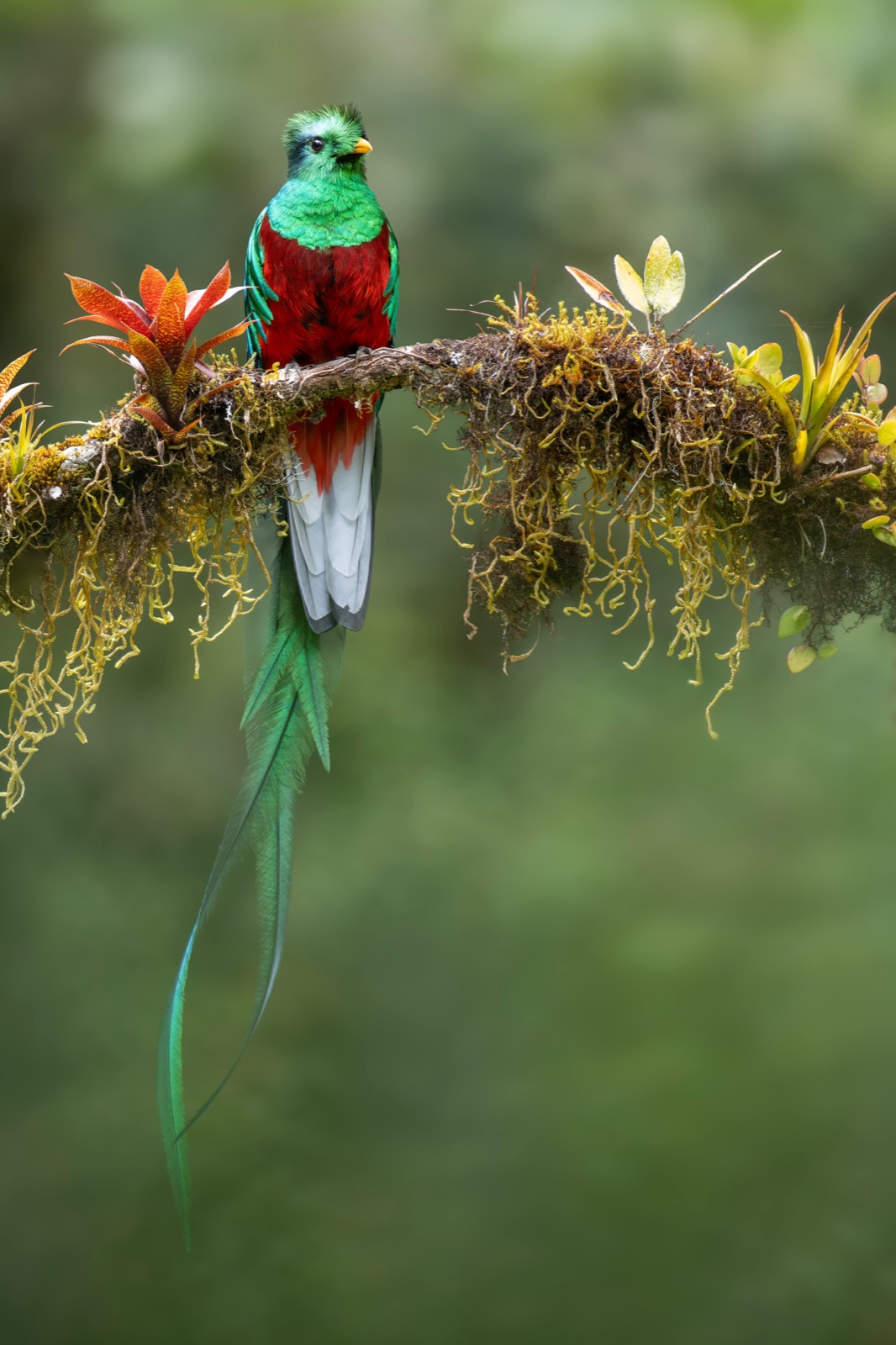 BirdsOver 900 species, 10 hotspotsWhere to see them
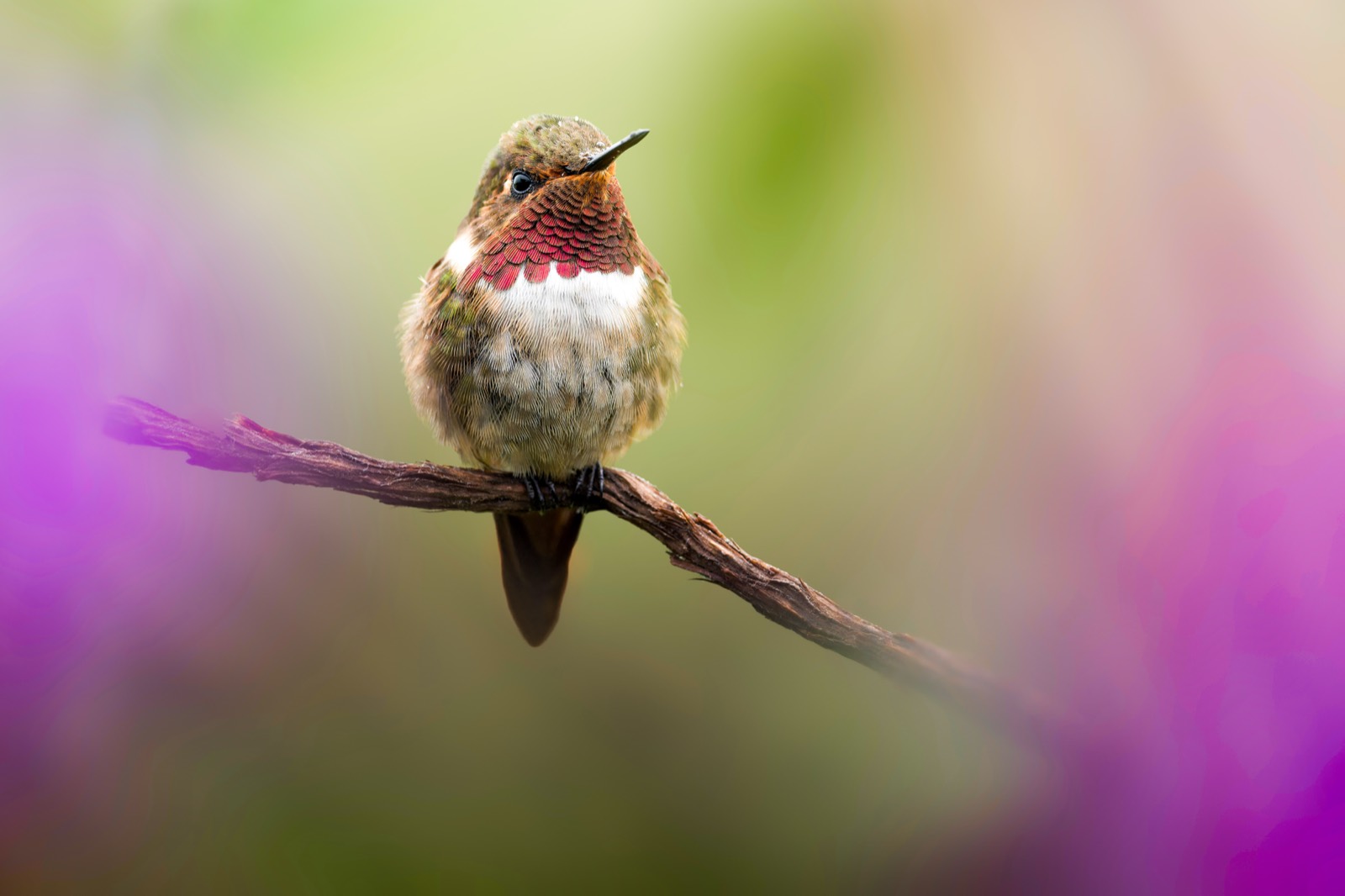 Hummingbirds50+ species and how to shoot themWhere to see them
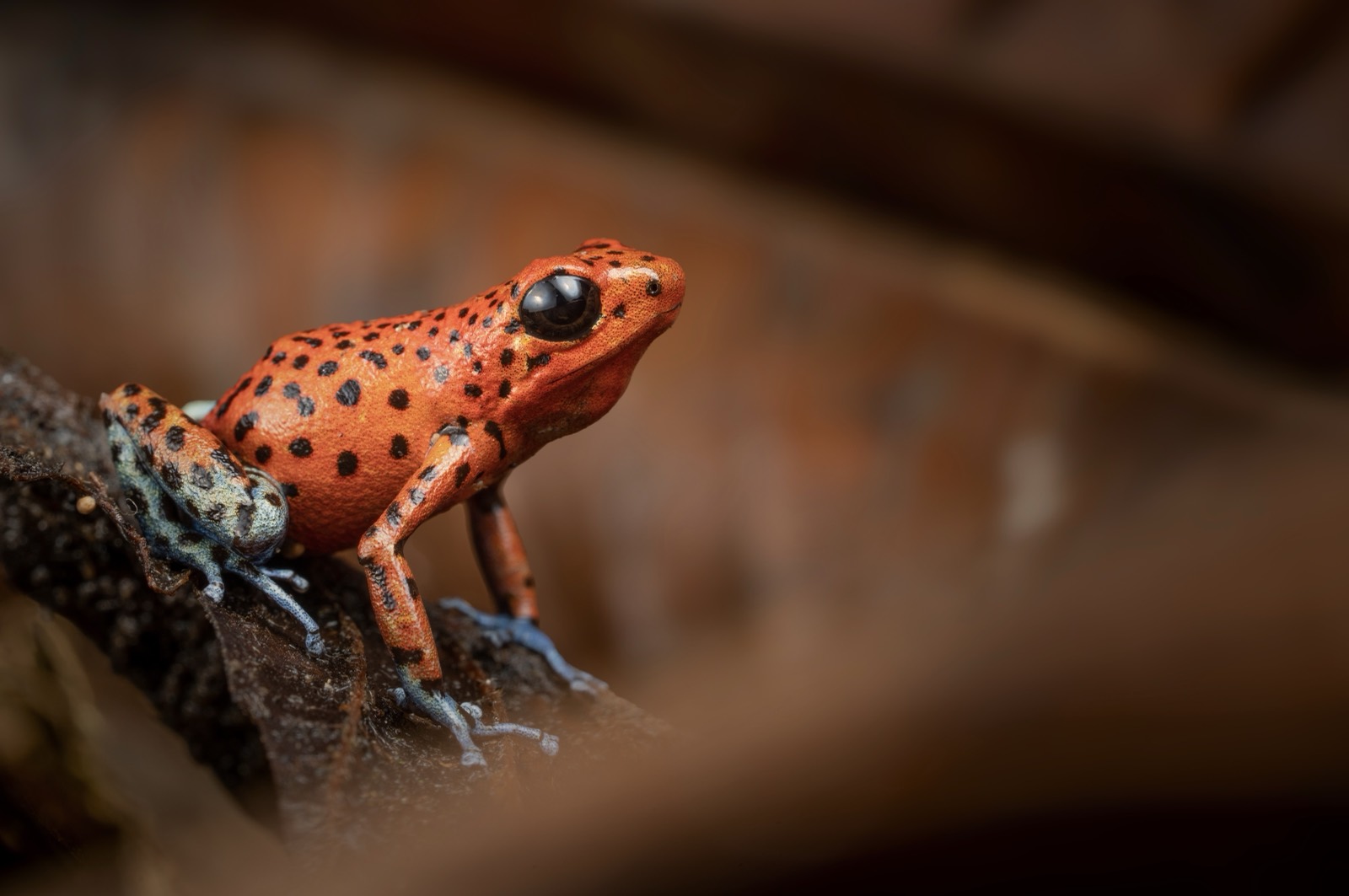 FrogsNight walks and poison frogsWhere to see them