Is playing bird calls OK?
Use it sparingly or not at all. Playing calls stresses birds, especially in nesting season, and some parks ban it. Good guides find birds by ear instead.
Never use playback for quetzals, owls or any bird near a nest.
Six species, from the rainbow-billed keel-billed toucan to the small emerald toucanet. Here's where to find each one, town by town, and the local guides who know the fruiting trees, compared and ranked.
By Lior, wildlife photographer and guide from Guanacaste
Reserve with a 25% deposit on secure WeTravel checkout · Refundable up to 60 days before trips, 48 h before day tours
Lyferr is a marketplace
We don’t run tours. Licensed local guides and operators list them, we rank them openly, and you reserve through Lyferr’s secure checkout on WeTravel.
How it worksSighting odds
Some places give you very good odds of toucans on a morning walk. Here's the honest picture for a half-day walk with a local guide.
| Spot | Chance | Who you’ll likely see |
|---|---|---|
| SarapiquíCaribbean lowlandsKeel-billed, Yellow-throated, Aracaris | Almost certain | Keel-billed, Yellow-throated, Aracaris |
| La FortunaNorthern plainsKeel-billed, Collared aracari | Almost certain | Keel-billed, Collared aracari |
| TortugueroNorth CaribbeanKeel-billed, Yellow-throated | Almost certain | Keel-billed, Yellow-throated |
| Puerto ViejoSouth CaribbeanKeel-billed, Yellow-throated | Likely | Keel-billed, Yellow-throated |
| Manuel AntonioCentral PacificYellow-throated, Fiery-billed aracari | Likely | Yellow-throated, Fiery-billed aracari |
| Osa PeninsulaSouth PacificYellow-throated, Fiery-billed aracari | Likely | Yellow-throated, Fiery-billed aracari |
| MonteverdeCloud forestEmerald toucanet | Likely | Emerald toucanet |
| CararaCentral PacificFiery-billed aracari | Good chance | Fiery-billed aracari |
Our local guides' estimate. As guests report what they saw on Lyferr tours, these become measured rates.
Each tour page shows what guests actually saw, once reports come in.
Compare toucan toursTown by town
Emerald toucanets in the cloud forest, keel-billed toucans lower down.
Keel-billed toucans and aracaris around Arenal, often from the hotel garden.
Keel-billed and yellow-throated toucans, right behind the beach.
Toucans in the tall trees along the canals at dawn.
Some of the best toucan watching in the country, with three species in a morning.
Few in the city. Sarapiquí is about 1.5 hours away.
Yellow-throated toucans and fiery-billed aracaris in the park.
Fiery-billed aracaris and yellow-throated toucans at the forest edge.
Carara is 20 minutes away: aracaris and yellow-throated toucans.
Rare in the dry forest. Carara or the south Pacific are better bets.
Rare in Guanacaste's dry forest. Plan a day in Arenal for toucans.
Occasional sightings only. The toucan forests are inland or further south.
Species expert program
Lyferr certifies guides one species at a time. A Toucan Expert has the strongest proven record on Lyferr for finding and photographing toucans, which makes them your best odds for a good sighting and a good shot.
At launch, we award Founding Expert badges to guides with several years of premium tours focused on this species. Each one is confirmed or removed once the guide has logged 20 trips on Lyferr. After that, the badge is earned with logged trips and score.
No guide can promise a sighting. The badge shows the strongest track record for this species, not a guarantee.
See Toucan Expert guidesDay tours from local guides
Day tours run by independent local guides, all held to the no-touch, no-feeding standard.
Ranked by sighting success, verified reviews and licence
Toucans tours from local guides are being added. Tell us your dates and where you’re staying, and we’ll match you with a guide.
Ask Lyferrup to 60 days before trips, 48 h before day tours, on every booking made through Lyferr. Booking fee (11% of the price) excluded.
secure checkout on WeTravel, the rest paid before your tour
every listing shows its maximum group size
guide's name and WhatsApp arrive in your booking confirmation
only travellers who booked can review
Prices are set by each guide. The 25% deposit includes Lyferr’s booking fee (11% of the price), shown before you pay. Each card opens the tour’s booking page on WeTravel.
How to tell them apart
Six species, plus one that isn't here. Start with the bill colour and the size.
Caribbean lowlands, Arenal
Caribbean side and south Pacific
Caribbean and north Pacific lowlands
South Pacific only
Cloud forest
Caribbean foothills
Not wild in Costa Rica
The toco toucan is South American. If you see one in Costa Rica, it lives in a rescue centre.
Want to see the wild ones? Go with a local guide who knows the fruiting trees.
Compare toucan toursWhen to go
All year. Toucans don't migrate, so the hour matters most: they call and feed from first light to about 9 am. From about February to June they nest in tree holes, and a guide may know an active one to watch from a distance.
Why a guide matters
You'll hear toucans on your own. A good guide gets you a clear view by:
Not sure where to go? Send us your dates and where you're staying, and we'll suggest the right guide.
Ask Lyferr a questionBest light is 5:30 to 8:30 am, which is also when toucans call and feed most.
Ethical wildlife watching
Use it sparingly or not at all. Playing calls stresses birds, especially in nesting season, and some parks ban it. Good guides find birds by ear instead.
Never use playback for quetzals, owls or any bird near a nest.
Not in national parks. Fruit feeders at private lodges bring toucans close, and they're where most toucan photos come from.
Never pay to hold or pose with a toucan. Real rescue centres don't offer it.
See toucans in the wild with a local guide
Find a no-touch guideThe sound of the forest
Often it isn't a frog: it's a keel-billed toucan. Its call is a dry, frog-like croak, repeated from a high branch.
The yellow-throated toucan yelps "dios te dé, te dé", which gave it its Spanish name. Aracaris give sharp, high calls as small groups move through.
Mornings are when toucans call most.
See morning walksNot booking yet?
One printable page: all six species, how to tell them apart, the 10 spots and when they nest. Sent to your inbox.
Who wrote this
Wildlife photographer and guide who grew up in Guanacaste, and a finalist in the Sony World Photography Awards and Wildlife Photographer of the Year. Lior has spent years photographing Costa Rica's toucans, from keel-billed toucans in Sarapiquí to fiery-billed aracaris on the south Pacific. This guide is what he tells friends before they go.
FAQ
Six: the keel-billed and yellow-throated toucans, the collared and fiery-billed aracaris, and the emerald and yellow-eared toucanets. The yellow-throated toucan used to be called the chestnut-mandibled or black-mandibled toucan.
No. Lyferr is a marketplace. Licensed local guides and tour operators list their tours here, and we rank them by sighting success, reviews and client experience (and photography expertise for photo tours). You book and pay the deposit through Lyferr, and the operator you choose runs the tour.
The Caribbean lowlands around Sarapiquí, La Fortuna and Tortuguero, and the south Pacific around Manuel Antonio and Osa.
Any month. They're easiest when trees are fruiting and in the nesting season, roughly February to June.
From first light to about 9 am, and again in the late afternoon.
Group birding walks start at about $40 to $70 per person, and a private guide costs about $150 to $250 a day. Every tour on Lyferr shows its price before you book.
No. The toco toucan, the big one with the orange bill, lives in South America. In Costa Rica you'll only see one in a rescue centre.
Mostly fruit, plus insects, lizards, eggs and sometimes the nestlings of other birds.
Yes. Morning walks in Sarapiquí, La Fortuna, Puerto Viejo and Manuel Antonio often find both.
Tucán. The yellow-throated toucan is also called "Dios-te-dé", after its call, and the fiery-billed aracari is the cusingo.
Keep exploring
Most trips combine two or three of these. Each guide covers where, when and the local guides who know them.
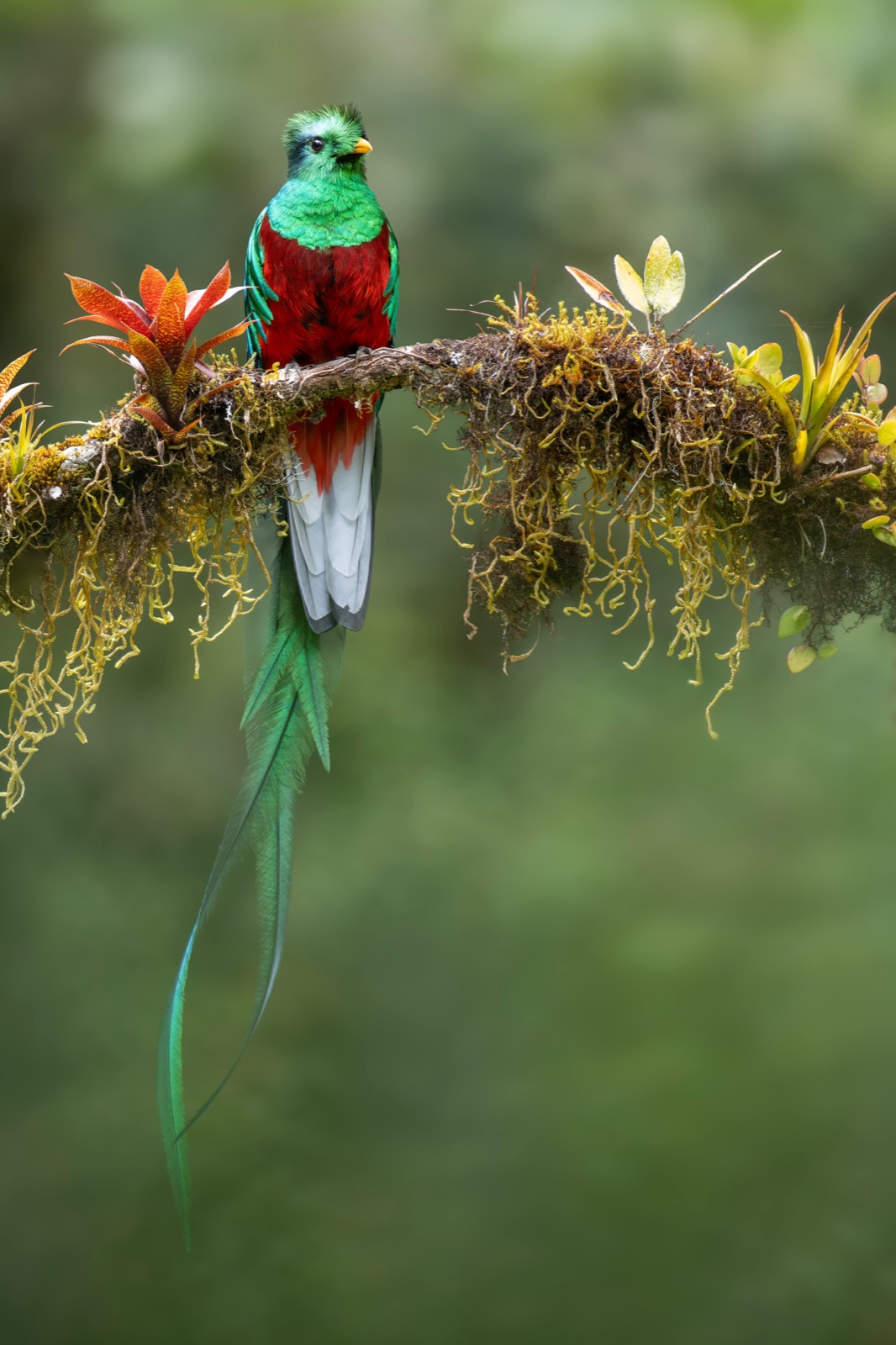 BirdsOver 900 species, 10 hotspotsWhere to see them
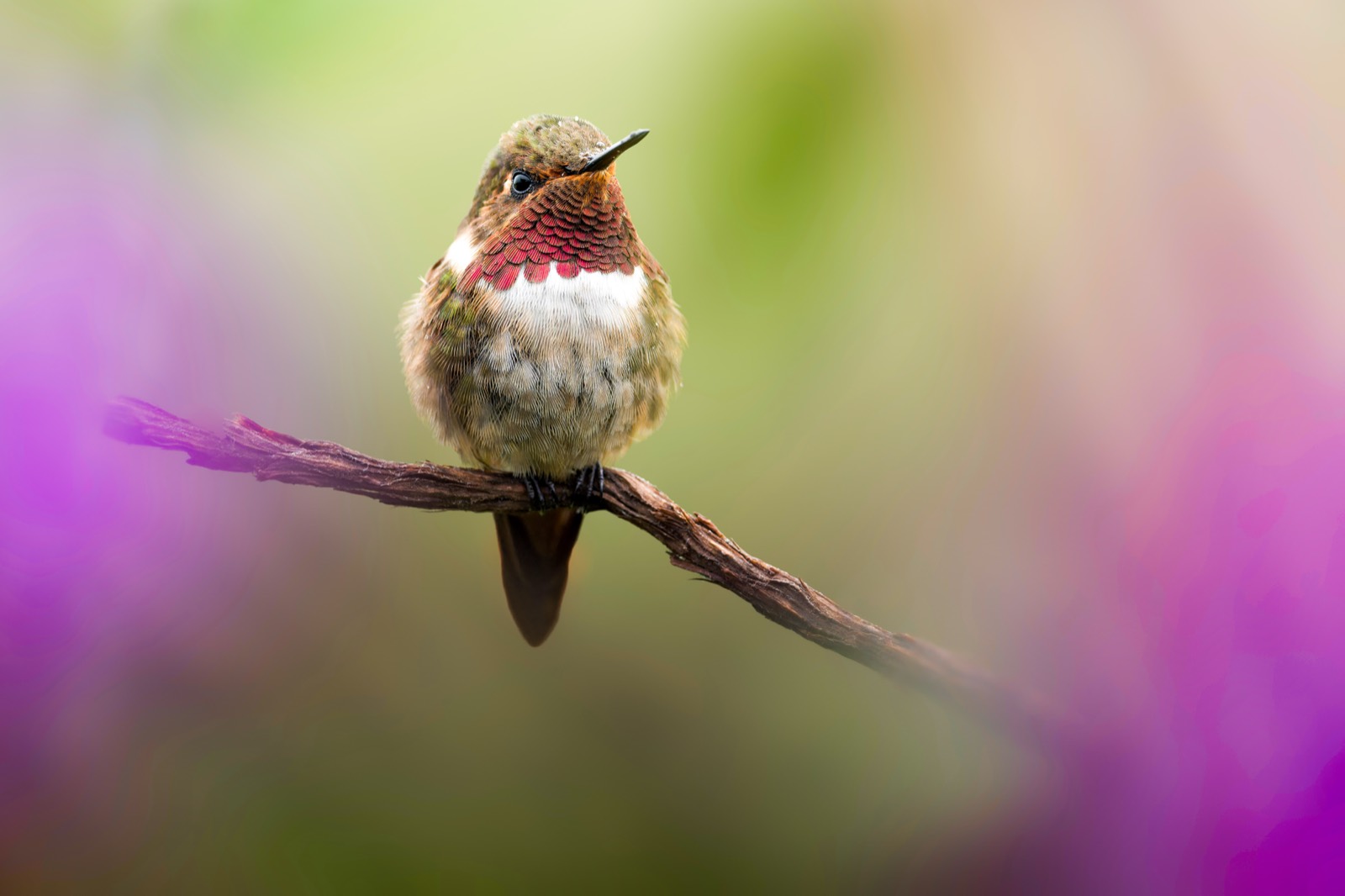 Hummingbirds50+ species and how to shoot themWhere to see them
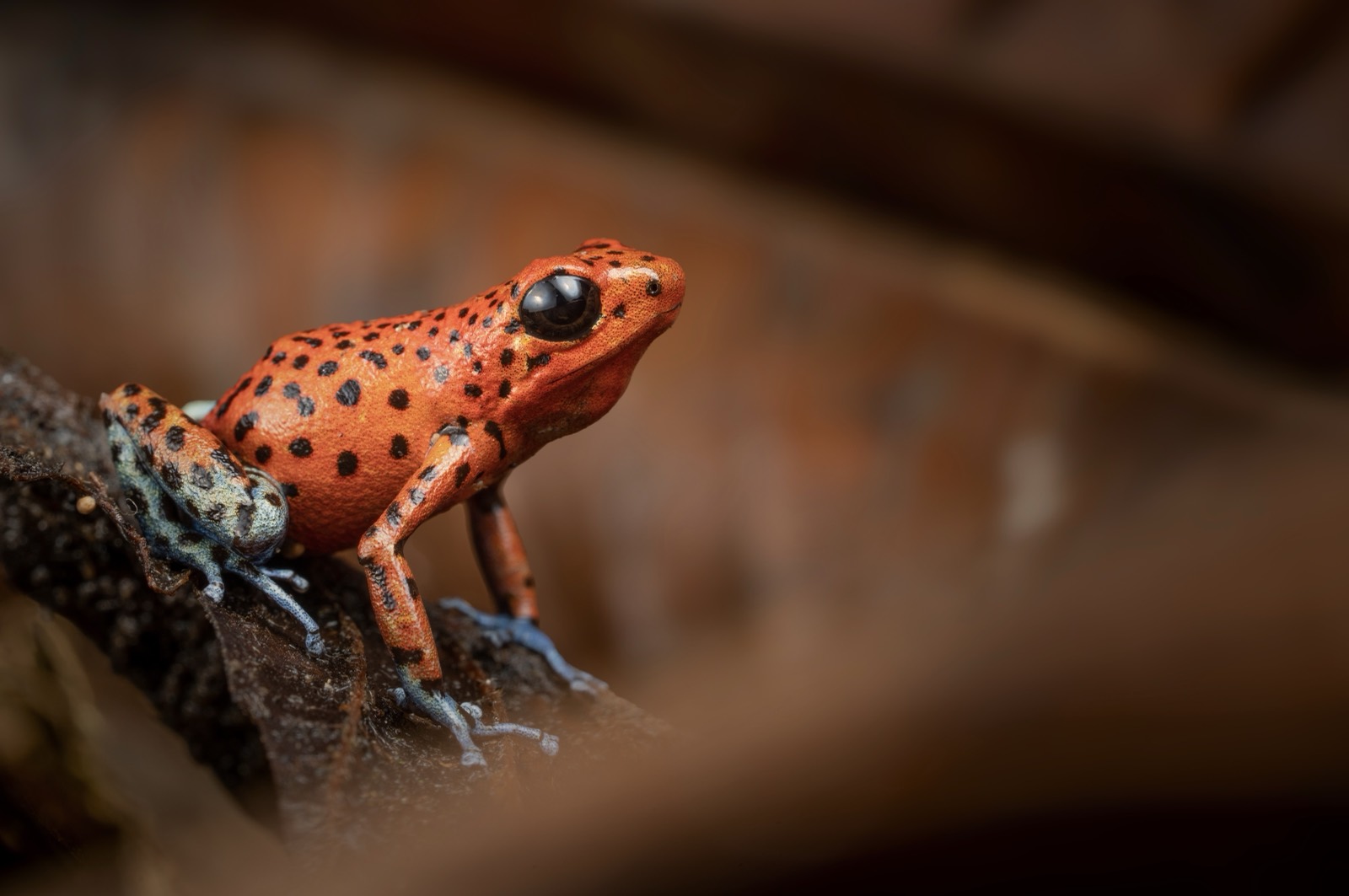 FrogsNight walks and poison frogsWhere to see them