Skip to content
Shark guide

Sharks in Costa Rica: Beach Safety, Dive Sites and Where to See Them

Sharks live off both coasts, but bites on swimmers and surfers are very rare. Here's the honest picture beach by beach, and where to dive with hammerheads, bull sharks and whale sharks with certified local dive guides, compared and ranked.

By Lior, wildlife photographer and guide from Guanacaste

Reserve with a 25% deposit on secure WeTravel checkout · Refundable up to 60 days before trips, 48 h before day tours

The short answer

Are there sharks?
Yes, on both coasts
Mostly offshore and around islands, rarely near swimmers
Is it safe to surf?
Bites are very rare
Rip currents and river-mouth crocodiles are the bigger risks
Where to see them
On a dive
Catalina Islands, Caño Island, Bat Islands and Cocos
Best time
May to Nov
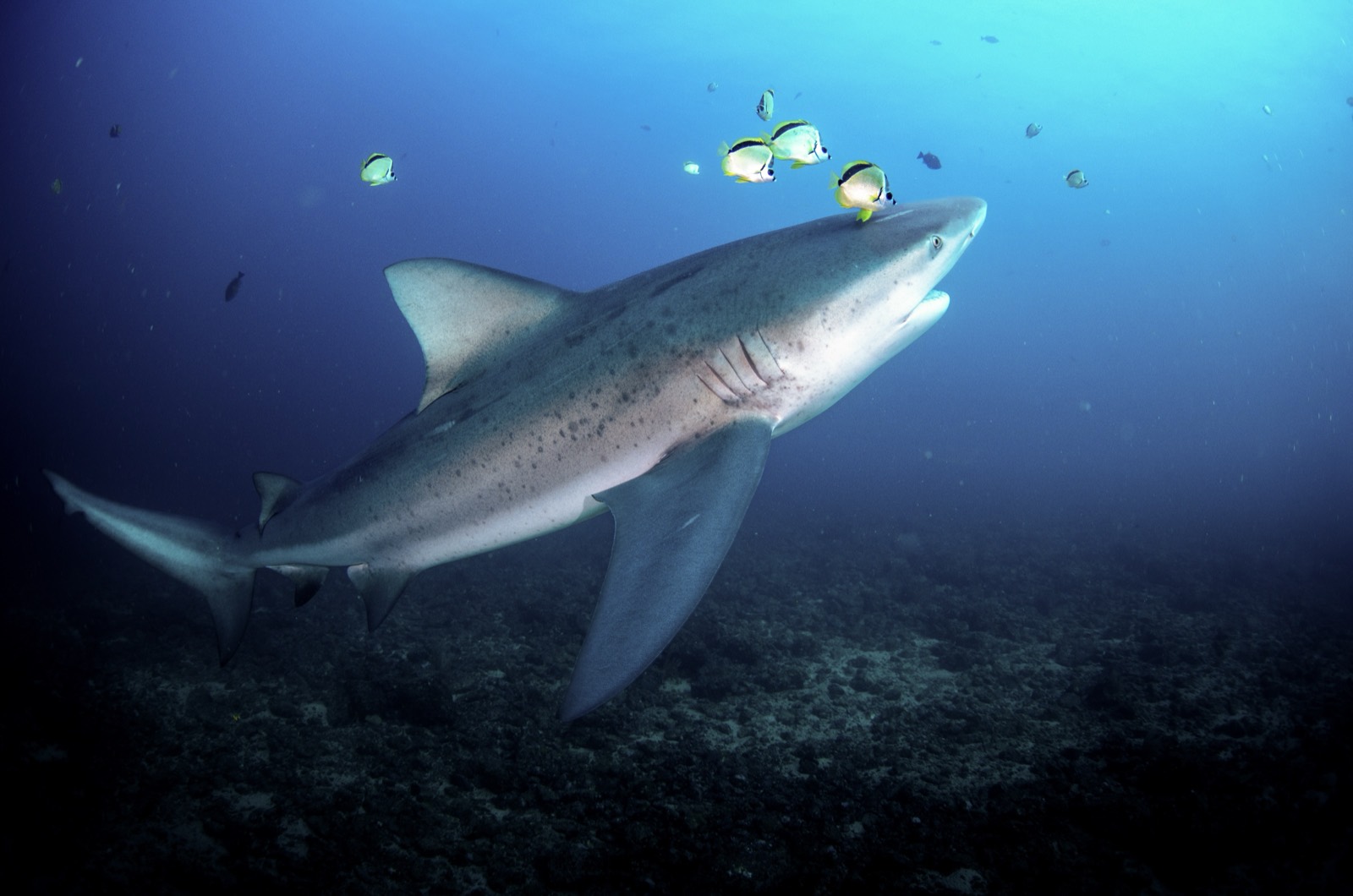
Bull sharks at the Bat Islands, the biggest hammerhead schools at Cocos.

Lyferr is a marketplace

We don’t run tours. Licensed local guides and operators list them, we rank them openly, and you reserve through Lyferr’s secure checkout on WeTravel.

How it works

Sighting odds

How likely you are to see sharks, spot by spot

Sharks are seen on dives, not from the beach. Some sites show them on most dives, others take luck. Here's the honest picture for a dive in season.

SpotChance
Cocos Island550 km offshore, liveaboardHammerhead, White-tip reef sharkVery likely
Caño IslandOsa PeninsulaWhite-tip reef shark, Sea turtles, RaysVery likely
Catalina IslandsFlamingo, Playas del CocoWhite-tip reef shark, RaysVery likely
Bat IslandsGuanacaste, May to NovBull shark, Big schools of fishGood chance
Papagayo reefsPlayas del Coco, HermosaWhite-tip reef shark, RaysGood chance
Marino BallenaUvitaWhite-tip reef shark, RaysSmall chance
Golfo DulceOsa, some yearsWhale shark, DolphinsRare
Beach townsTamarindo, Jacó, NosaraStingrays, Rarely a sharkVery rare

Our local dive guides' estimate for a two-tank dive in good conditions. As guests report what they saw on Lyferr tours, these become measured rates.

Each dive page shows what guests actually saw, once reports come in.

Compare shark dives

Town by town

Are there sharks where you're staying?

Species expert program

Find a certified Shark Expert

Lyferr certifies guides one species at a time. A Shark Expert has the strongest proven record on Lyferr for finding and photographing sharks, which makes them your best odds for a good sighting and a good shot.

  1. 175+ logged shark divesCounted on Lyferr for this species only, not for dive trips in general.
  2. 290%+ composite scoreSighting success, cross-checked with public sighting records, weighted with traveller ratings of the guide's species knowledge.
  3. 3Earned species by speciesA guide can hold several badges. Each one is earned on its own and kept once earned.

How guides move up, one species at a time

  1. 01EmergingUnder 20 trips
  2. 02Skilled20+ trips · 60%+ score
  3. 03Specialist40+ trips · 75%+ score
  4. 04Species Expert75+ trips · 90%+ score
Founding experts

At launch, we award Founding Expert badges to guides with several years of premium tours focused on this species. Each one is confirmed or removed once the guide has logged 20 trips on Lyferr. After that, the badge is earned with logged trips and score.

No guide can promise a sighting. The badge shows the strongest track record for this species, not a guarantee.

See Shark Expert guides

Day tours from local guides

Compare shark tours from local guides

Day tours run by independent local guides, all held to the no-touch, no-feeding standard.

Ranked by sighting success, verified reviews and licence

Sharks tours from local guides are being added. Tell us your dates and where you’re staying, and we’ll match you with a guide.

Ask Lyferr
  • Clear refunds

    up to 60 days before trips, 48 h before day tours, on every booking made through Lyferr. Booking fee (11% of the price) excluded.

  • Reserve with 25%

    secure checkout on WeTravel, the rest paid before your tour

  • Group size, upfront

    every listing shows its maximum group size

  • Your guide, confirmed

    guide's name and WhatsApp arrive in your booking confirmation

  • Real reviews

    only travellers who booked can review

How booking works

  1. 1Pick a tour or trip on Lyferr
  2. 2Choose your date and pay the 25% deposit on WeTravel
  3. 3The guide confirms within 24 h. Their WhatsApp arrives with your confirmation

Prices are set by each guide. The 25% deposit includes Lyferr’s booking fee (11% of the price), shown before you pay. Each card opens the tour’s booking page on WeTravel.

When to go

When is the best time to see sharks in Costa Rica?

Sharks are around all year, but the rainy season, roughly May to November, is best. Bull sharks gather at the Bat Islands, the hammerhead schools at Cocos are biggest, and whale sharks turn up in some years. In the dry season, strong Papagayo winds can close the Bat Islands, so dives move to the Catalinas.

Why a guide matters

Why a certified dive guide matters

Sharks can be anywhere on a big reef. A good dive guide makes the dive work:

  • Knowing which sites are showing sharks this week, from other boats and dive centres.
  • Reading currents and surge, so you dive the site at the right moment.
  • Keeping the group calm, low and together, which keeps sharks around longer.
  • Telling you honestly when the sea is too rough to go out.

Not sure where to go? Send us your dates and where you're staying, and we'll suggest the right guide.

Ask Lyferr a question
FOR PHOTOGRAPHERS

Dive early: calmer water, better visibility and sharks that are often more active.

Ethical wildlife watching

Sharks aren't the main risk at the beach

Short answer: yes, mostly

Is it safe to swim and surf?

Yes, for the most part. Costa Rica has very few recorded shark bites, and the rare serious cases have involved divers far offshore at Cocos Island, not swimmers or surfers at beach towns.

Rip currents cause far more accidents. Swim where there are lifeguards and ask locals where the rips are.
How to lower the risk even more

Avoid river mouths and murky water, especially at dawn and dusk. Don't swim near boats cleaning fish, and leave the water if you see bait fish jumping.

At Tamarindo, Jacó and Nosara, crocodiles in the estuaries are a bigger concern than sharks. Swim and surf away from the river mouths.

Dive with a certified guide

Find a no-touch guide

Not booking yet?

Take the shark safety and dive checklist with you

One printable page: beach safety tips, the dive sites, the season calendar and what to pack for diving. Sent to your inbox.

No spam. One email with the PDF.

Shark facts people ask about

  • 5shark species you can meet on a dive trip, from white-tips to whale sharks
  • ~12 mlength of a big whale shark, the world's largest fish
  • 550 kmfrom the mainland to Cocos Island, 30 to 36 hours by boat
  • <20recorded shark bites in Costa Rica's history
  • MartilloSpanish for hammer, as in tiburón martillo

Who wrote this

Lior, founder of Lyferr

Wildlife photographer and guide, and a finalist in the Sony World Photography Awards and Wildlife Photographer of the Year. Lior grew up in Guanacaste, on the Pacific coast, a short drive from the dive boats that run out to the Catalinas and the Bat Islands. This guide is what he tells friends before they go.

  • Sony World Photography Awards finalist
  • Wildlife Photographer of the Year finalist
  • Born in Guanacaste

How we rank guides and operators

FAQ

Frequently asked questions

Are there sharks in Costa Rica?

Yes, on both coasts. Most are seen on dives around Pacific islands like the Catalinas, Caño Island and Cocos. Swimmers and surfers rarely see one, and bites are very rare.

Does Lyferr run the tours?

No. Lyferr is a marketplace. Licensed local guides and tour operators list their tours here, and we rank them by sighting success, reviews and client experience (and photography expertise for photo tours). You book and pay the deposit through Lyferr, and the operator you choose runs the tour.

Where is the best shark diving in Costa Rica?

Cocos Island is the best, with schooling hammerheads, but it's a 10-day liveaboard for experienced divers. For a day trip, the Catalina Islands and Caño Island show white-tips on most dives, and the Bat Islands have bull sharks from May to November.

Is it safe to surf in Costa Rica?

Yes, for the most part. Shark bites on surfers are very rare in Costa Rica. Rip currents, big swell and crocodiles near river mouths are the risks to plan for.

Are there sharks in Tamarindo?

Bull sharks live in the region, but bites are very rare and surfers rarely see one. Avoid the estuary at the north end of the beach, where crocodiles live.

Can you swim with whale sharks?

Sometimes, when they visit Golfo Dulce or Caño Island in some years. Guides keep a respectful distance and never touch or chase them. A sighting is never guaranteed.

Do I need to be certified to dive with sharks?

Not for snorkelling. For the Catalinas and Caño Island you need Open Water. The Bat Islands and Cocos are for Advanced divers with experience in currents.

How do you get to Cocos Island?

By liveaboard only, from Puntarenas. The crossing takes 30 to 36 hours each way and most trips last about 10 days.

Are there sharks on the Caribbean side?

Yes, but they're rarely seen. Nurse sharks sometimes show up on reef snorkels in Cahuita. The Caribbean has no shark dive sites like the Pacific islands.

What are sharks called in Spanish?

Tiburones. A hammerhead is a tiburón martillo, a whale shark is a tiburón ballena and a bull shark is a tiburón toro.