Are tapirs dangerous?
Rarely. Tapirs are shy and calm, but they weigh up to 300 kg. A mother with a calf, or a tapir that has been fed, can charge or bite.
If one walks toward you, step behind a tree and let it pass.
Baird's tapir is Central America's biggest land mammal, and Costa Rica is one of the best places to see one. Here's where they live, how guides track them, and the local guides who run tapir night tours, compared and ranked.
By Lior, wildlife photographer and guide from Guanacaste
Reserve with a 25% deposit on secure WeTravel checkout · Refundable up to 60 days before trips, 48 h before day tours
Lyferr is a marketplace
We don’t run tours. Licensed local guides and operators list them, we rank them openly, and you reserve through Lyferr’s secure checkout on WeTravel.
How it worksSighting odds
Outside a few places, tapirs are hard to see. Here's the honest picture for one guided tour.
| Spot | Chance | Who you’ll likely see |
|---|---|---|
| Bijagua (Tenorio)Tenorio foothillsBaird's tapir | Very likely | Baird's tapir |
| Corcovado (Sirena)South PacificBaird's tapir, Calves | Likely | Baird's tapir, Calves |
| San Gerardo de DotaTalamanca highlandsBaird's tapir | Good chance | Baird's tapir |
| MonteverdeCloud forestTracks | Rare | Tracks |
| ChirripóHigh páramoTracks | Rare | Tracks |
| Drake BayOsaTracks | Rare | Tracks |
| Braulio CarrilloCentral volcanic rangeTracks | Rare | Tracks |
| TortugueroNorth CaribbeanTracks | Rare | Tracks |
Our local guides' estimate. As guests report what they saw on Lyferr tours, these become measured rates.
Each tour page shows what guests actually saw, once reports come in.
Compare tapir toursTown by town
Tapirs live in the reserves, but sightings are rare. Bijagua is about 2.5 hours away.
Rarely near town. The Bijagua tapir tours are about 1.5 hours away.
Very rarely. Tapirs live inland, in the Talamanca mountains.
Tapirs live here, but sightings are rare.
Rarely. Braulio Carrillo nearby has tapirs, seldom seen.
No. San Gerardo de Dota is about 2 hours away, Bijagua about 3.5.
No tapirs in the park. Corcovado is the closest good spot.
Not around town, but Corcovado is about 2 hours south.
No. The nearest good spots are several hours away.
No. Plan a trip to Bijagua or Corcovado.
No, but Bijagua is about 2.5 hours away, an easy overnight.
No. Bijagua is about 3 hours away.
Species expert program
Lyferr certifies guides one species at a time. A Tapir Expert has the strongest proven record on Lyferr for finding and photographing tapirs, which makes them your best odds for a good sighting and a good shot.
At launch, we award Founding Expert badges to guides with several years of premium tours focused on this species. Each one is confirmed or removed once the guide has logged 20 trips on Lyferr. After that, the badge is earned with logged trips and score.
No guide can promise a sighting. The badge shows the strongest track record for this species, not a guarantee.
See Tapir Expert guidesDay tours from local guides
Day tours run by independent local guides, all held to the no-touch, no-feeding standard.
Ranked by sighting success, verified reviews and licence
Tapirs tours from local guides are being added. Tell us your dates and where you’re staying, and we’ll match you with a guide.
Ask Lyferrup to 60 days before trips, 48 h before day tours, on every booking made through Lyferr. Booking fee (11% of the price) excluded.
secure checkout on WeTravel, the rest paid before your tour
every listing shows its maximum group size
guide's name and WhatsApp arrive in your booking confirmation
only travellers who booked can review
Prices are set by each guide. The 25% deposit includes Lyferr’s booking fee (11% of the price), shown before you pay. Each card opens the tour’s booking page on WeTravel.
When to go
All year. Tapirs are most active at dusk and at night, so night tours give the best odds. In the dry season they stay close to rivers and water holes.
Why a guide matters
You won't stumble on a tapir. A good guide finds one by:
Not sure where to go? Send us your dates and where you're staying, and we'll suggest the right guide.
Ask Lyferr a questionBest time is the first hours after dark, near water. Bring a fast lens and a dim, warm light.
Ethical wildlife watching
Rarely. Tapirs are shy and calm, but they weigh up to 300 kg. A mother with a calf, or a tapir that has been fed, can charge or bite.
If one walks toward you, step behind a tree and let it pass.
No. Fed tapirs at Sirena and some lodges have bitten people, and feeding wildlife is illegal in Costa Rica.
Never pay to touch or feed a tapir. Real rescue centres don't offer it.
Book a tapir tour with a local guide
Find a no-touch guideMyths and edge cases
A tapir isn't a pig or a small elephant. Its closest relatives are horses and rhinos, and the short trunk is a flexible nose and lip for grabbing leaves.
Attacks are rare and usually involve tapirs that people have fed. Most of the time a tapir crashes off through the forest.
Tapirs talk to each other with high, thin whistles.
See night toursNot booking yet?
One printable page: the tracks and signs to look for, the best places and times, and how to behave around a tapir. Sent to your inbox.
Who wrote this
Wildlife photographer and guide who grew up in Guanacaste, and a finalist in the Sony World Photography Awards and Wildlife Photographer of the Year. Lior has spent years tracking and photographing Costa Rica's tapirs, from the Tenorio foothills to Corcovado, always at a respectful distance. This guide is what he tells friends before they go.
FAQ
Bijagua, near Tenorio Volcano, has the best odds on a night tour. Corcovado's Sirena station and the Talamanca highlands are the other places.
No. Lyferr is a marketplace. Licensed local guides and tour operators list their tours here, and we rank them by sighting success, reviews and client experience (and photography expertise for photo tours). You book and pay the deposit through Lyferr, and the operator you choose runs the tour.
Rarely. They are calm and shy, but a mother with a calf or a tapir that has been fed can charge. Keep your distance.
Yes, often around the Sirena station, especially at dawn and dusk. You need a licensed guide to enter the park.
From dusk through the night. By day they rest in thick vegetation or in water.
Tapir night tours in Bijagua cost about $50 to $80 per person and last 2 to 3 hours. Every tour on Lyferr shows its price before you book.
Reddish-brown with white stripes and spots, like a watermelon. The pattern fades by about six months.
Up to about 2 m long, 1.2 m at the shoulder and 300 kg. It is the largest land mammal in Central America.
No. Feeding wildlife is illegal in Costa Rica, and fed tapirs learn to approach and sometimes bite people.
Danta in Costa Rica, and tapir in most other Spanish-speaking countries.
Keep exploring
Most trips combine two or three of these. Each guide covers where, when and the local guides who know them.
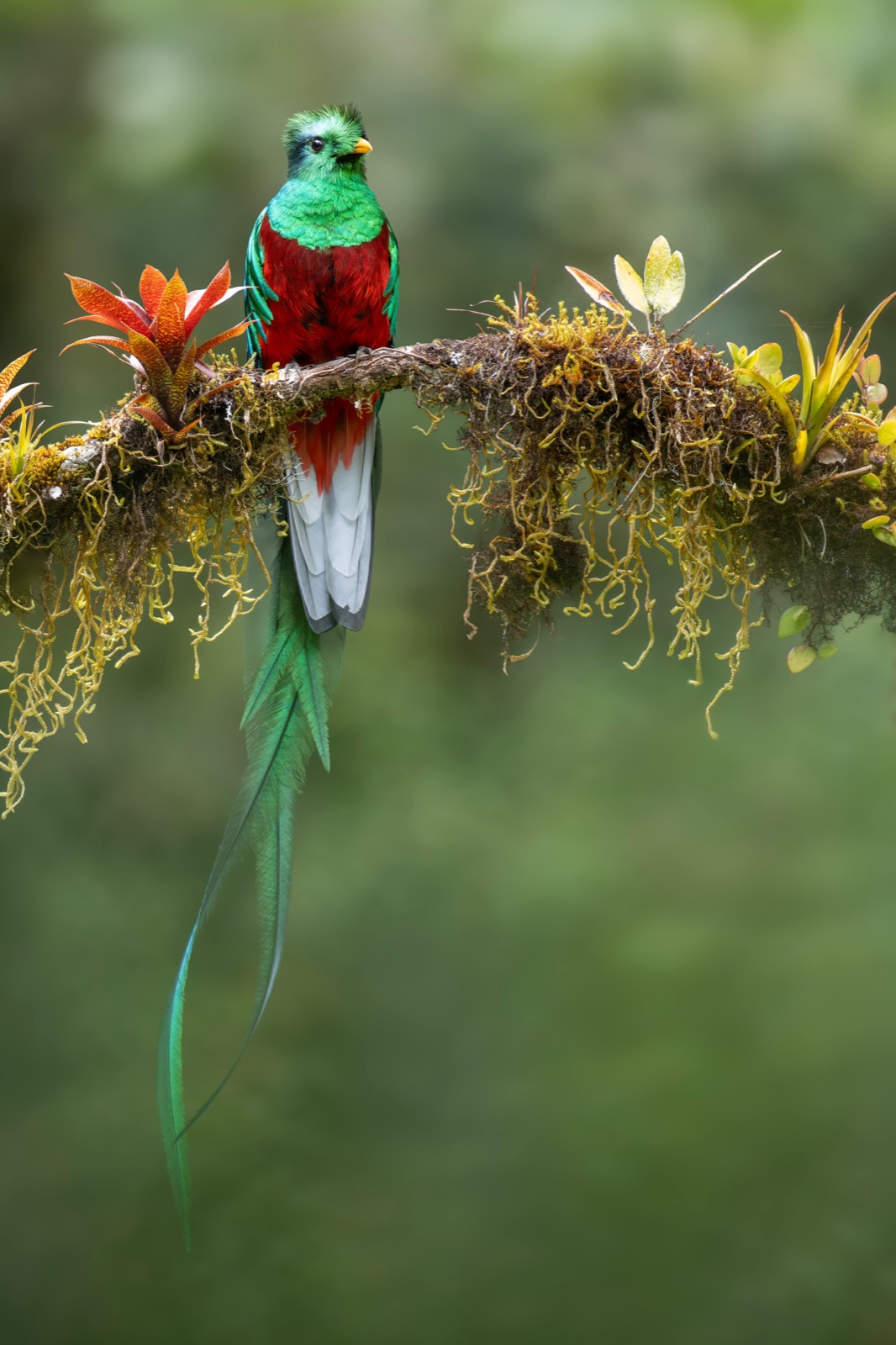 BirdsOver 900 species, 10 hotspotsWhere to see them
 SnakesWhat you will actually see, and safetyWhere to see them
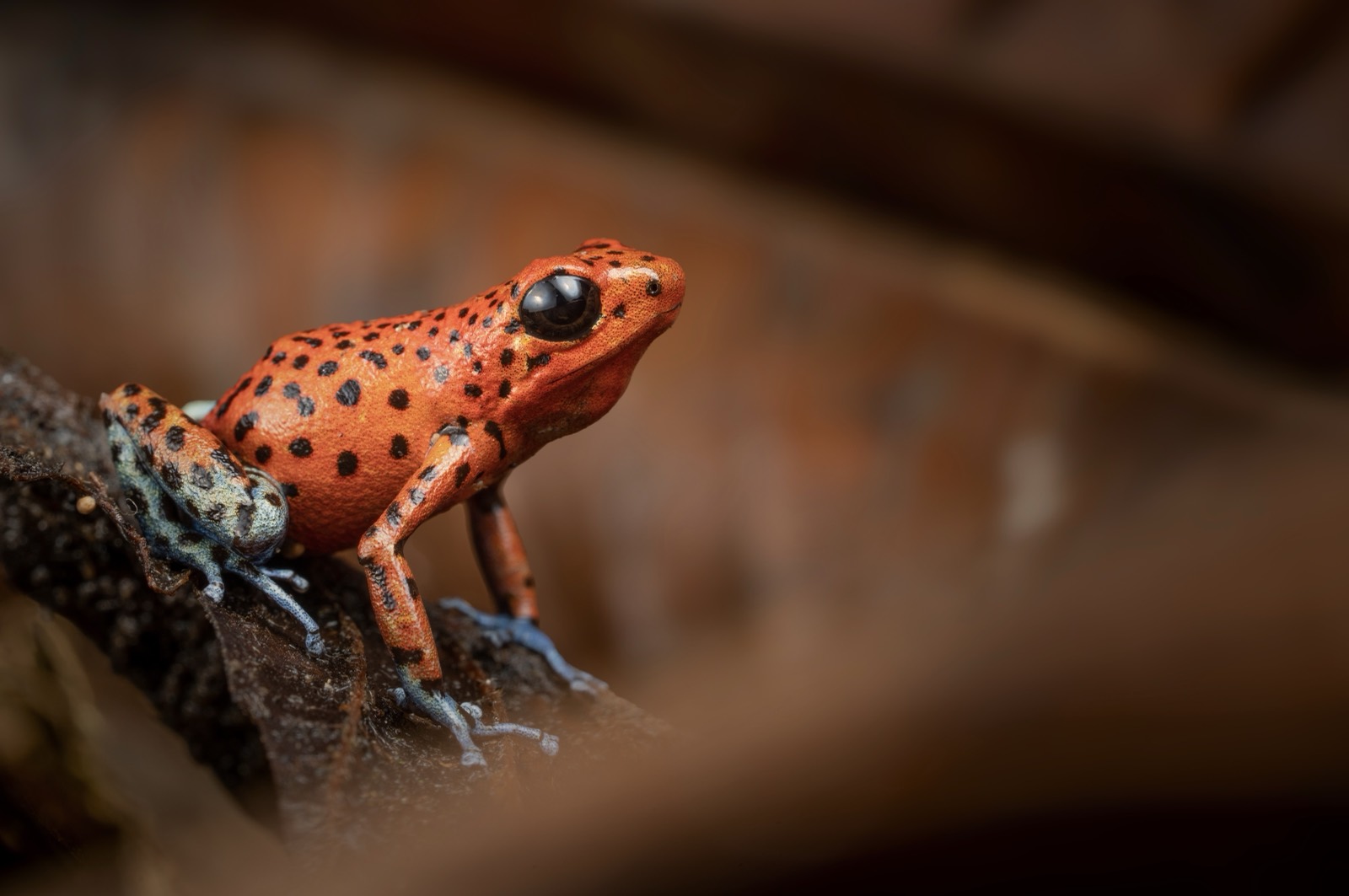 FrogsNight walks and poison frogsWhere to see them