Are wild cats dangerous?
Very rarely. Attacks on people in Costa Rica are extremely rare, and cats almost always leave before you see them.
If you meet one, stay tall, keep children close, back away slowly and never run.
Costa Rica has six wild cats, and almost nobody sees one. Your best chance is a camera trap tour, where a guide shows you what walked past. The one exception is Corcovado, where pumas are a real chance over a few nights.
By Lior, wildlife photographer and guide from Guanacaste
Reserve with a 25% deposit on secure WeTravel checkout · Refundable up to 60 days before trips, 48 h before day tours
The honest answer
Wild cats are shy, mostly out at night and spread thin. Outside one place in Costa Rica, almost every record comes from a camera trap. This is how the three ways to look really compare.
Cats hear you long before you see them. Many guides go years between sightings, so don't book a normal tour hoping for one.
Learn to read their signsA guide checks traps on active trails and shows you the footage. It's the most reliable way to see the cats that live there.
Compare camera trap toursPumas walk Sirena's trails, sometimes by day. Two or three nights give you a real shot, never a guarantee.
Compare Sirena tripsWant your own photo of a wild cat? Set your own camera traps with a local guide.
Compare camera trap toursLyferr is a marketplace
We don’t run tours. Licensed local guides and operators list them, we rank them openly, and you reserve through Lyferr’s secure checkout on WeTravel.
How it worksSighting odds
Even in the best places, most tours end without a cat. Here's the honest picture, per trip or tour.
| Spot | Chance | Who you’ll likely see |
|---|---|---|
| Corcovado (Sirena)South Pacific, 3 nightsPuma | Small chance | Puma |
| Drake BayOsa, night walkOcelot, Margay | Small chance | Ocelot, Margay |
| TortugueroBeach walk, Jul to OctJaguar tracks | Rare | Jaguar tracks |
| SarapiquíNight walkOcelot | Rare | Ocelot |
| Rincón de la ViejaGuanacastePuma | Rare | Puma |
| MonteverdeCloud forestOncilla | Very rare | Oncilla |
| La AmistadTalamancaTracks | Very rare | Tracks |
| Manuel AntonioCentral PacificOcelot | Very rare | Ocelot |
Our local guides' estimate. As guests report what they saw on Lyferr tours, these become measured rates.
Each tour page shows what guests actually saw, once reports come in.
Compare wild cat tripsTown by town
Oncillas and margays live in the reserves, but sightings are rare. A night walk is your best shot.
Ocelots turn up on night walks now and then. Don't plan a trip around it.
Cats live in the forest inland, but they're seldom seen near town.
Jaguars hunt turtles on the beach. You may see tracks; seeing the cat is very rare.
Ocelots show up on camera traps at La Selva. Night walks give a small chance.
No. Corcovado is about 6 hours away, or a short flight to Puerto Jiménez.
Ocelots live in the park, but sightings are rare and mostly at night.
Not around town, but Corcovado trips leave from Sierpe, about 1 hour south.
Very unlikely. Carara nearby has cats, but they're rarely seen.
Very unlikely. Plan a trip to Osa instead.
No, but Rincón de la Vieja is about 2 hours away for camera trap tours.
Very unlikely. Rincón de la Vieja is about 3 hours away.
Species expert program
Lyferr certifies guides one species at a time. A Wild Cat Expert has the strongest proven record on Lyferr for finding and photographing wild cats, which makes them your best odds for a good sighting and a good shot.
At launch, we award Founding Expert badges to guides with several years of premium tours focused on this species. Each one is confirmed or removed once the guide has logged 20 trips on Lyferr. After that, the badge is earned with logged trips and score.
No guide can promise a sighting. The badge shows the strongest track record for this species, not a guarantee.
See Wild Cat Expert guidesDay tours from local guides
Day tours run by independent local guides, all held to the no-touch, no-feeding standard.
Ranked by sighting success, verified reviews and licence
Wild cats tours from local guides are being added. Tell us your dates and where you’re staying, and we’ll match you with a guide.
Ask Lyferrup to 60 days before trips, 48 h before day tours, on every booking made through Lyferr. Booking fee (11% of the price) excluded.
secure checkout on WeTravel, the rest paid before your tour
every listing shows its maximum group size
guide's name and WhatsApp arrive in your booking confirmation
only travellers who booked can review
Prices are set by each guide. The 25% deposit includes Lyferr’s booking fee (11% of the price), shown before you pay. Each card opens the tour’s booking page on WeTravel.
When to go
All year. Cats are most active from dusk to dawn. The dry season, December to April, makes trails easier and tracks clearer, and jaguars visit Tortuguero's beach when turtles nest, July to October.
Why a guide matters
Nobody can promise a cat. A good guide improves your odds by:
Not sure where to go? Send us your dates and where you're staying, and we'll suggest the right guide.
Ask Lyferr a questionMost camera trap frames come between dusk and dawn. On night walks, bring a fast lens and a dim red light.
Ethical wildlife watching
Very rarely. Attacks on people in Costa Rica are extremely rare, and cats almost always leave before you see them.
If you meet one, stay tall, keep children close, back away slowly and never run.
No. Baiting changes how cats behave and puts them at risk, and feeding wildlife is illegal in Costa Rica.
Never pay to touch or pose with a wild cat. Real rescue centres don't offer it.
Book a wild cat tour with a local guide
Find a no-touch guideMyths and edge cases
There are no leopards in the Americas. Black jaguars are extremely rare in Central America, and most 'black panther' reports turn out to be dark jaguarundis or tayras.
Attacks on people are extremely rare. Most of the time a cat hears you long before you see it.
Pumas don't roar. They call with high screams and whistles that sound almost like birds.
See night walksNot booking yet?
One printable page: the tracks and signs each cat leaves, the best places and times, and what to do if you meet one. Sent to your inbox.
Who wrote this
Wildlife photographer and guide who grew up in Guanacaste, and a finalist in the Sony World Photography Awards and Wildlife Photographer of the Year. Lior runs a camera trap project in Guanacaste and has spent years reading tracks and setting traps for Costa Rica's wild cats, always at a respectful distance. This guide is what he tells friends before they go.
FAQ
Corcovado National Park, with two or three nights at the Sirena station. Pumas are the cat seen most often there, and even then most visitors don't see one.
No. Lyferr is a marketplace. Licensed local guides and tour operators list their tours here, and we rank them by sighting success, reviews and client experience (and photography expertise for photo tours). You book and pay the deposit through Lyferr, and the operator you choose runs the tour.
Very rarely. Attacks on people in Costa Rica are almost unheard of. Jaguars avoid people, and you're far more likely to find tracks than to meet one.
Rarely. Jaguars live in Corcovado, Tortuguero and the Talamanca mountains, but most people who see one are guides or researchers after years in the field. Tracks are far easier to find.
No confirmed ones. Black jaguars are extremely rare in Central America, and most 'black panther' reports turn out to be dark jaguarundis or tayras.
Camera trap tours and night walks cost about $45 to $90 per person. Multi-night Corcovado trips with nights at Sirena start around $900. Every tour on Lyferr shows its price before you book.
A guide takes you to traps set on active trails, swaps the memory cards and shows you what walked past in the last days. On the way you learn to read tracks, scrapes and other signs.
The ocelot is bigger, about 8 to 15 kg, and hunts mostly on the ground. The margay is about a third of that, with a longer tail and big eyes, and climbs and hunts in the trees.
No. Leopards live only in Africa and Asia. The spotted cats in Costa Rica are jaguars, ocelots, margays and oncillas.
Jaguar or tigre, puma or león, manigordo for the ocelot, caucel for the margay, tigrillo for the oncilla and león breñero for the jaguarundi.
Keep exploring
Most trips combine two or three of these. Each guide covers where, when and the local guides who know them.
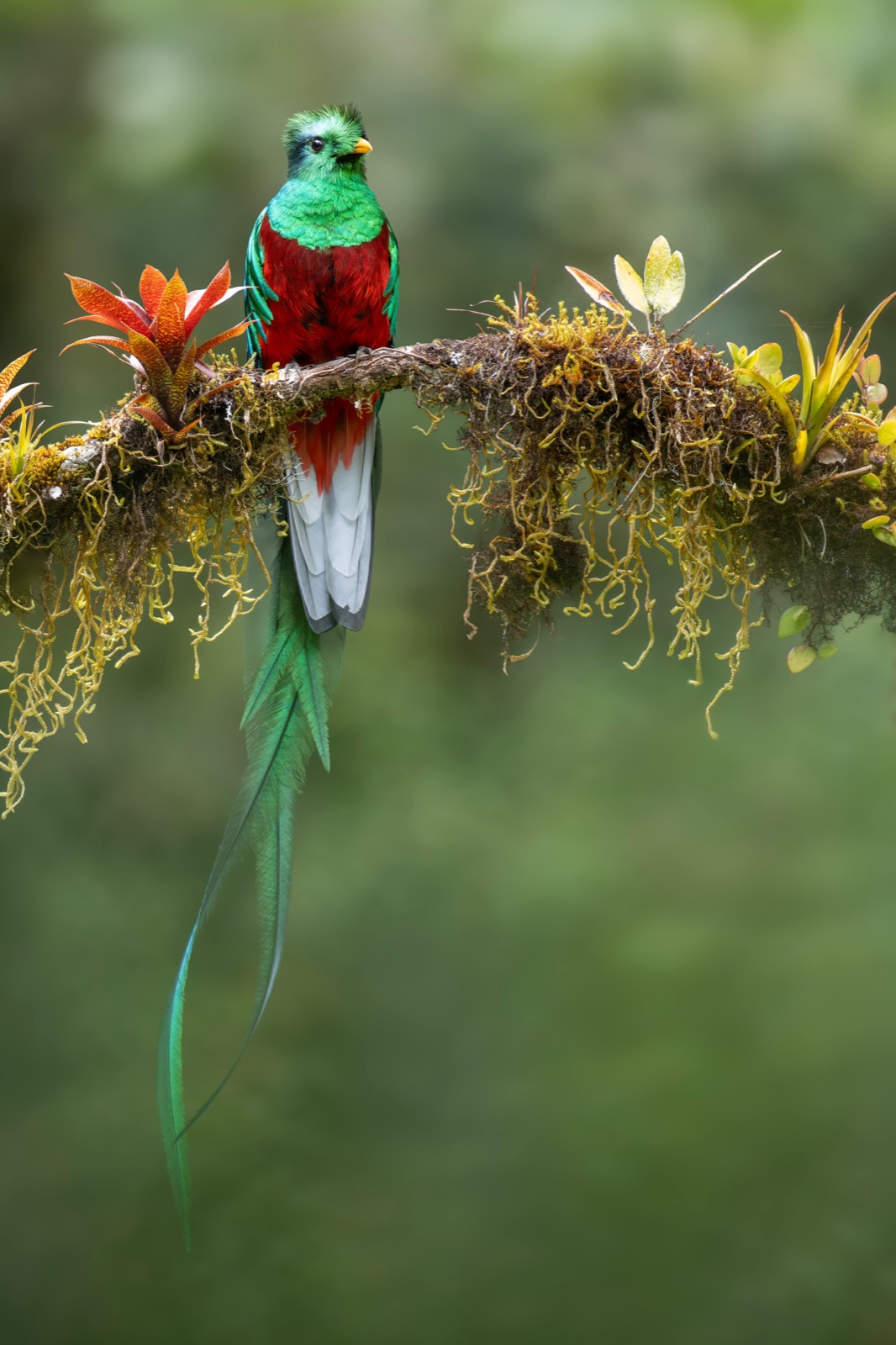 BirdsOver 900 species, 10 hotspotsWhere to see them
 SnakesWhat you will actually see, and safetyWhere to see them
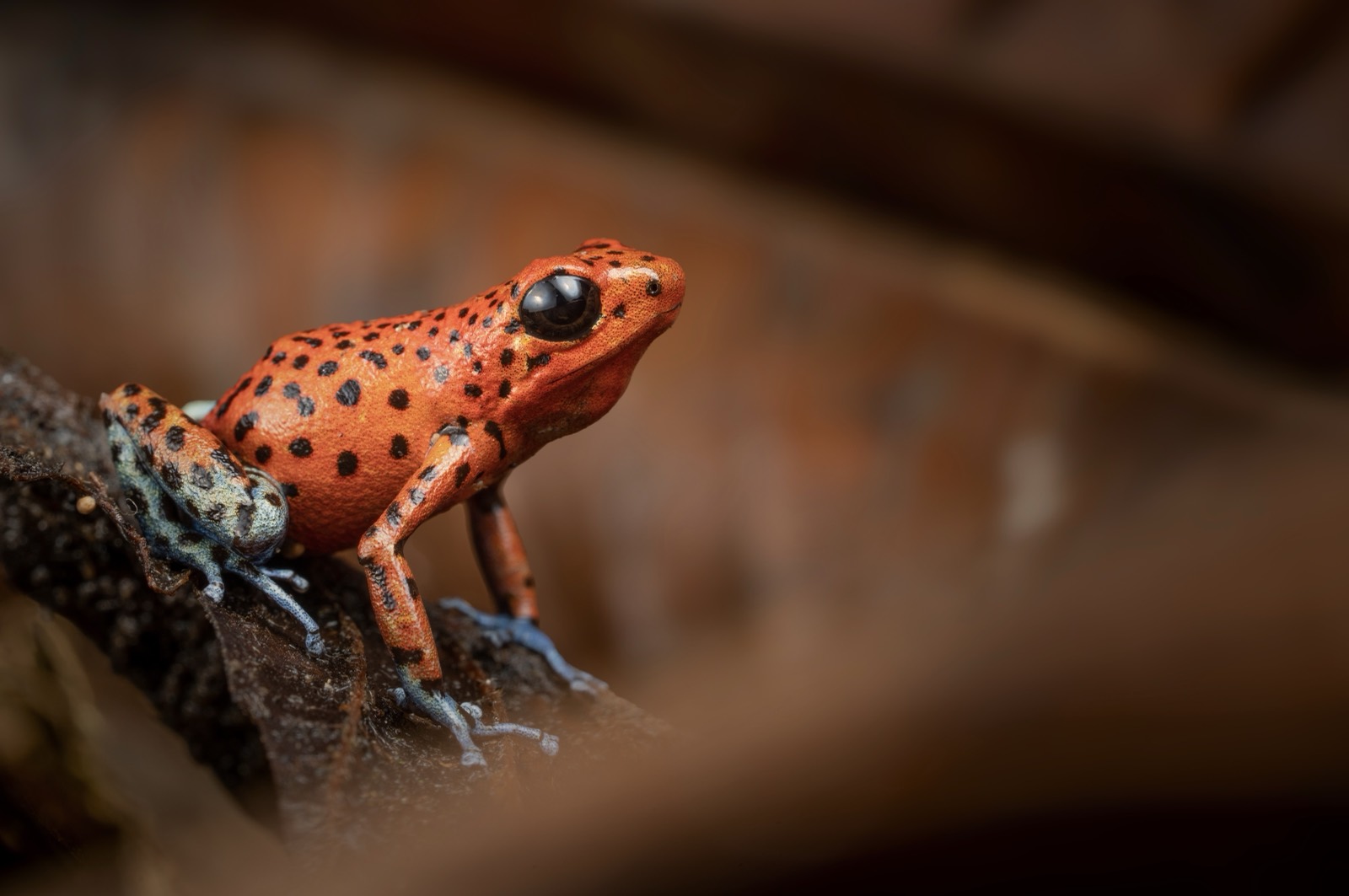 FrogsNight walks and poison frogsWhere to see them