
FOR PHOTOGRAPHERS
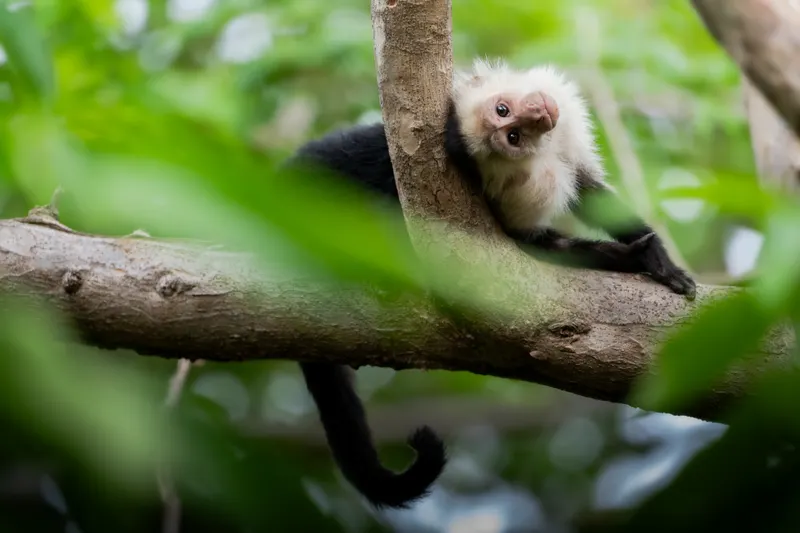
Photographing monkeys in Costa Rica: the field guide
Monkeys move fast, live in deep shade and sit high against a bright sky. This is what the photography guides on Lyferr tell their clients before the first shot: settings, light, gear, where to stand and where to go.
- BEST LIGHT
- 5:30 to 8:30 am
- TYPICAL DISTANCE
- 5 to 30 m
- LENS
- 100 to 400 mm, 600 for spider monkeys
- PHOTO TOUR GROUP
- max 4
MONKEY PHOTOGRAPHY TRIPS FROM LOCAL GUIDES
Compare monkey photography trips
- Clear refunds
full refund up to 6 months before trips and 7 days before day tours, half until 60 days or 48 h before, on every booking made through Lyferr. Lyferr's commission and the card fee are not refunded.
- Reserve with 25%
secure checkout on Lyferr, the rest paid before your tour
- Group size, upfront
every listing shows its maximum group size
- Your guide, confirmed
guide's name arrives with your confirmation and you message them in Lyferr
- Real reviews
only travellers who booked can review
HOW BOOKING WORKS
- 1
Pick a tour or trip on Lyferr
- 2
Choose your date and pay the 25% deposit on Lyferr
- 3
The guide confirms within 24 h. You message them in Lyferr
- Deposit protected
- Verified trips
- No paid ranking
Prices are set by each guide. The price you see is final. Lyferr's commission comes out of the guide's price, not on top. Each card opens the tour's page on Lyferr.
PHOTOGRAPHY GUIDES WITH A REVIEWED PORTFOLIO
Guides who shoot, not just spot
A photo tour is built around light, not a checklist of animals. These guides are photographers first. They know which troops come down low, where the background is clean, and when to wait.
| PHOTO TOUR | STANDARD WALK | |
|---|---|---|
| Group size | PHOTO TOUR: Max 4 photographers | STANDARD WALK: Up to 8 |
| Time at each sighting | PHOTO TOUR: As long as the light is good | STANDARD WALK: About 5 to 10 minutes |
| Start time | PHOTO TOUR: Before sunrise | STANDARD WALK: Park opening |
| Your guide | PHOTO TOUR: A photographer who positions you for light and background | STANDARD WALK: A naturalist who finds and explains wildlife |
| Monopod or tripod | PHOTO TOUR: Welcome, the pace allows it | STANDARD WALK: Usually impractical |
Are you a wildlife photographer and guide in Costa Rica?Join Lyferr as a photo guide →
MONKEY PHOTOGRAPHY FIELD GUIDE
What the photo guides tell their clients
Pick a topic. The first one is open.