
La Fortuna
Private reserves with ponds: red-eyed frogs, vipers and two-toed sloths
NIGHT TOURS
Half the forest wakes up after dark. Compare night walks with local guides, see the odds for each animal, and pick the place that fits your trip.
WHERE
La Fortuna, Monteverde, Drake Bay
Plus Sarapiquí and Puerto Viejo
WHEN
Any night, best in the rainy season
May to Nov, right after a shower
WHY GO WITH A GUIDE
A frog at night takes trained eyes
Guides know the ponds and perches. Most night walks are in private reserves.
IS IT SAFE?
Yes, with a guide
Closed shoes, stay on the trail and leave snakes to the guide.
NIGHT TOURS FROM LOCAL GUIDES
Most night tours last 2 to 3 hours and start around dusk. Multi-day trips add night walks in two or three places, so you see different frogs and snakes.
No night tours listed yet
We only list guides who pass our checks, and none of them sells a night tour on Lyferr yet. Tell us your dates and we will match you with a local night guide.
Tell us your datesHOW BOOKING WORKS
Pick a tour or trip on Lyferr
Choose your date and pay the 25% deposit on Lyferr
The guide confirms within 24 h. You message them in Lyferr
Prices are set by each guide. The price you see is final. Lyferr's commission comes out of the guide's price, not on top. Each card opens the tour's page on Lyferr.
NIGHT TOUR GUIDES
WHAT COMES OUT AT NIGHT
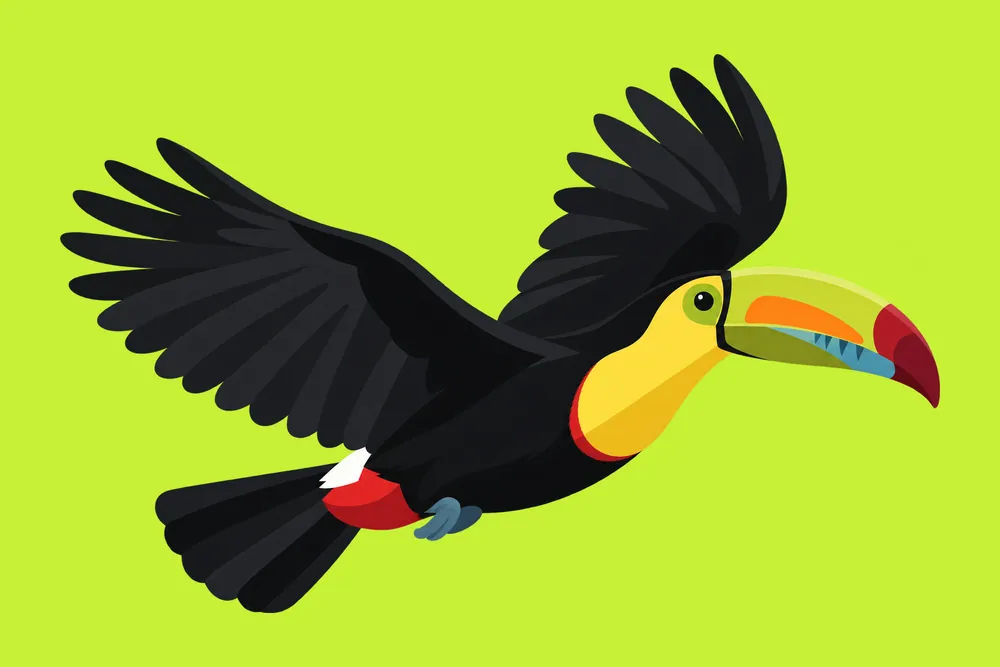
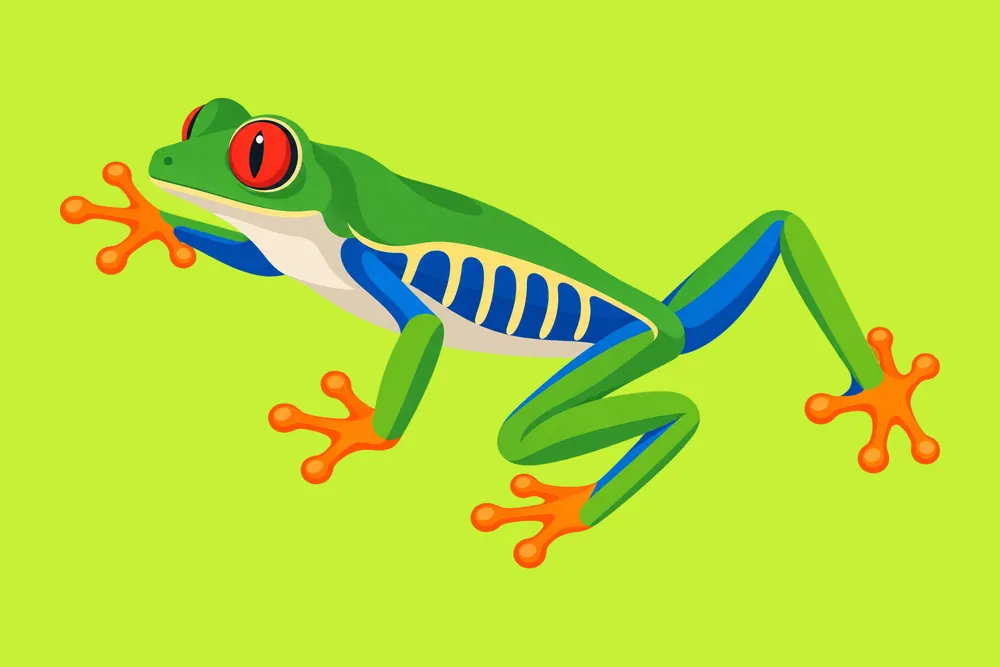
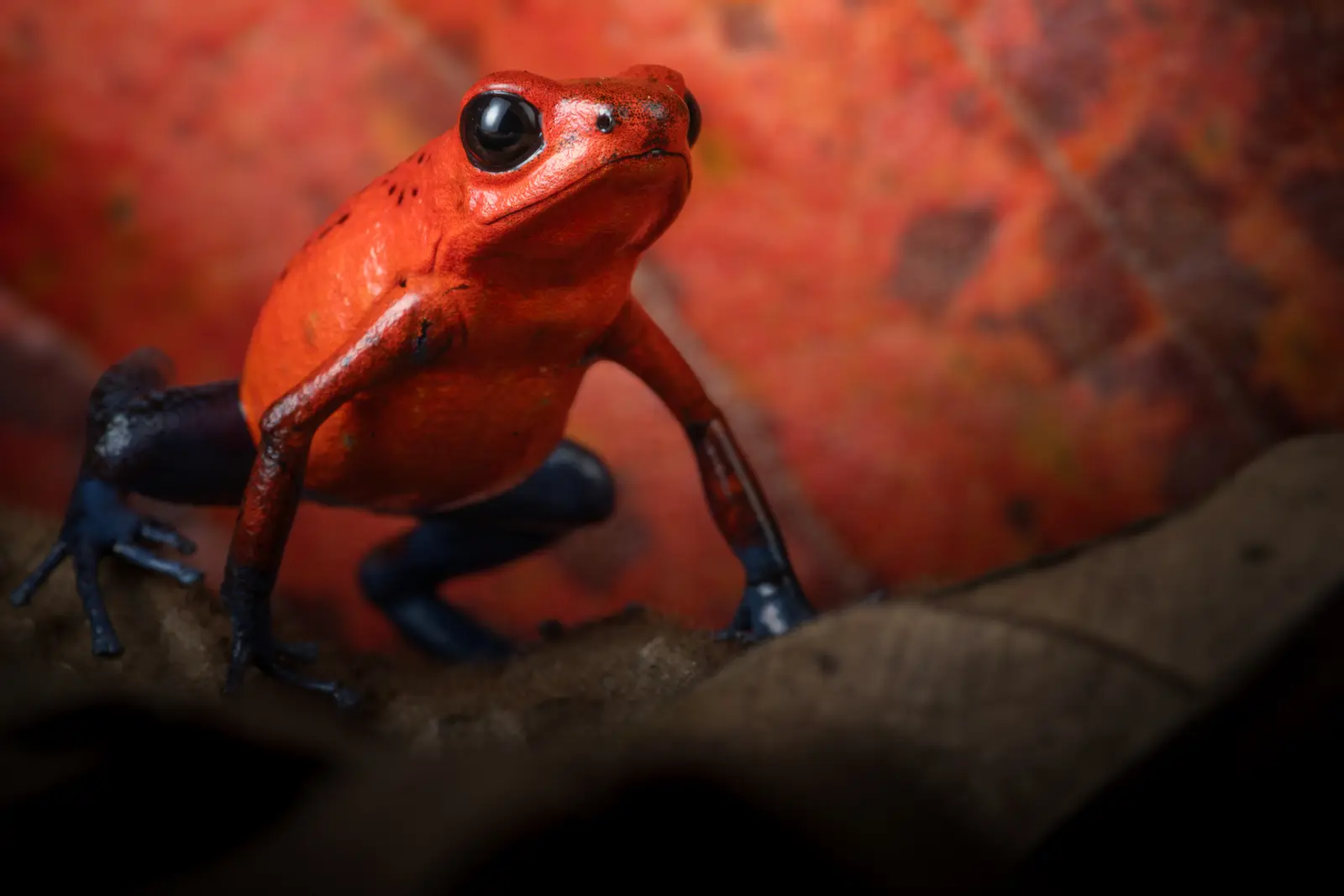
Red-eyed, glass and poison frogs
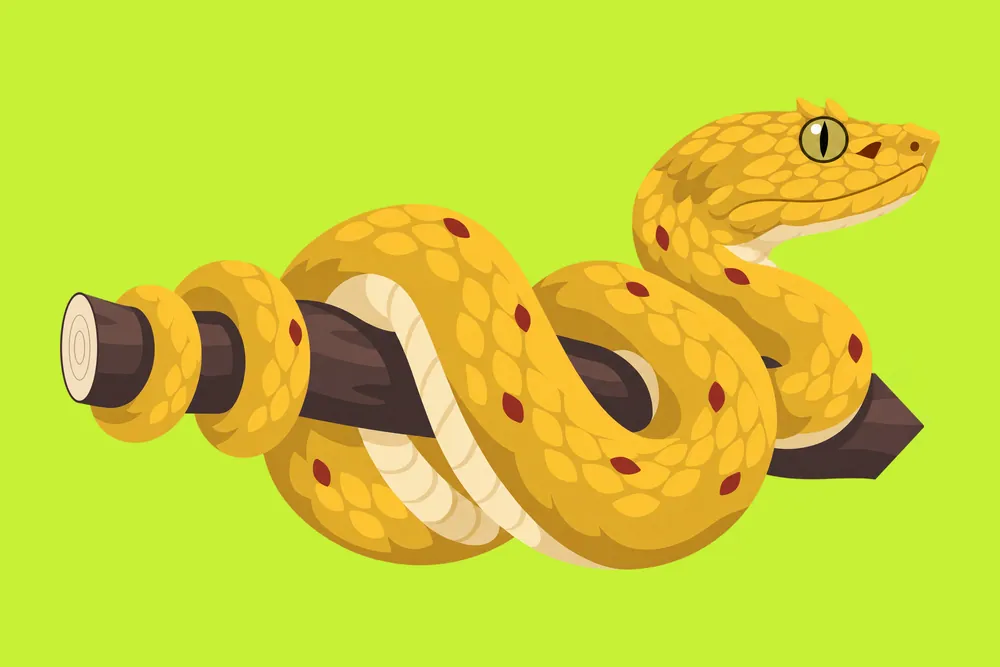
Vipers on their night perches
Awake and moving after dark
By streams at Sirena and Tenorio
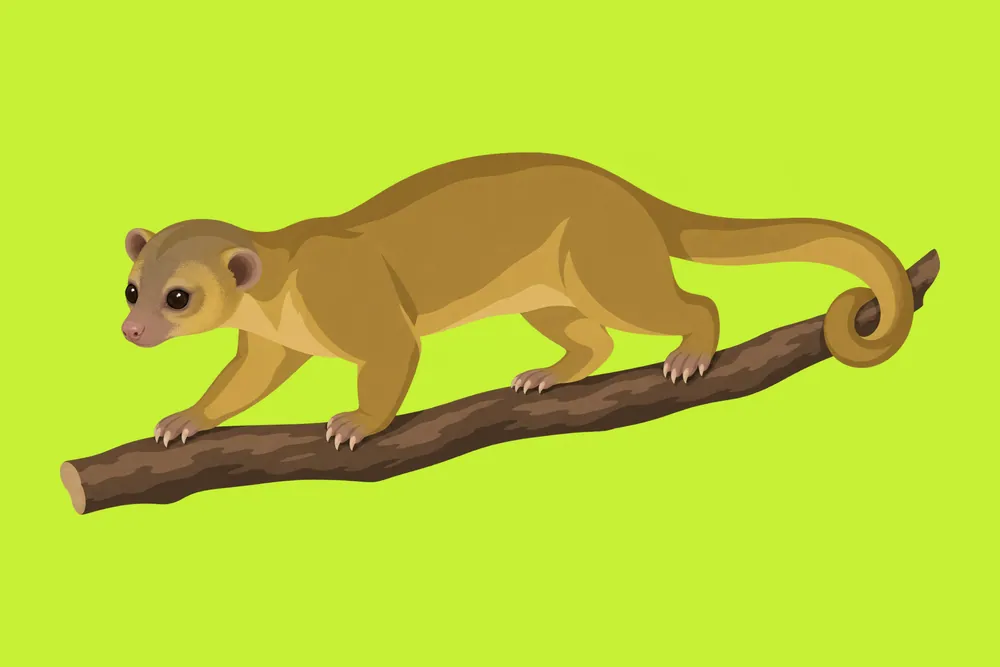
In fruiting trees on night walks
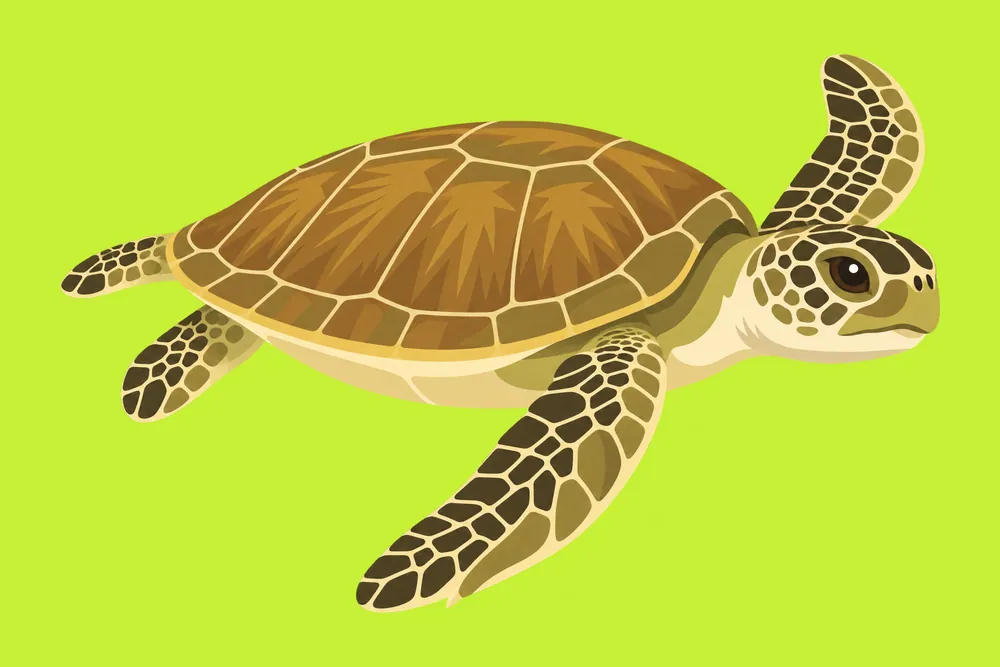
Tortuguero, cameras off
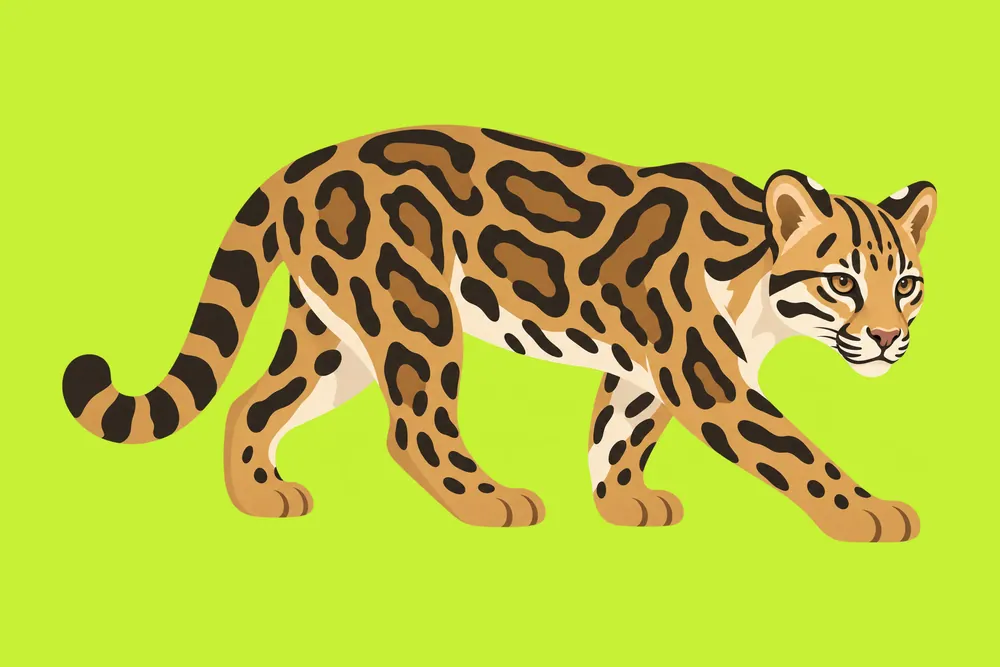
Rare. Camera traps do better
Odds are for one night tour at the best place for each animal. Marked * are Lyferr estimates: no study publishes a rate per night walk yet. The others are the animal guide’s own odds for October.
WHERE TO GO
RANKED BY WHAT YOU CAN SEE
Private reserves with ponds: red-eyed frogs, vipers and two-toed sloths
Glass frogs by streams, palm pit vipers and kinkajous in the cloud forest
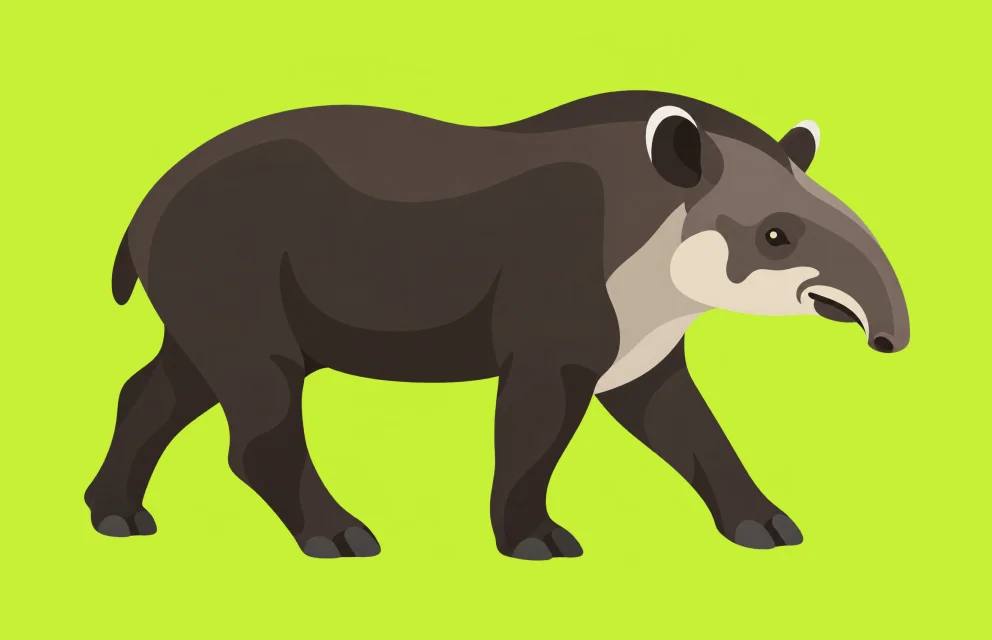
Night tours famous for snakes and spiders, and tapirs on the 5 am walk at Sirena
Red-eyed and glass frogs, vipers and cat-eyed snakes along the river
Poison frogs, yellow eyelash vipers and kinkajous near town
Tapir night walks at the edge of Tenorio. Sightings are rare
Guided turtle nesting walks, July to October. Cameras stay off
WHEN TO GO
Frogs and snakes peak in the rainy season, turtles nest at Tortuguero from July to October, and tapirs are around all year at Sirena.
All rows are Lyferr estimates (*) from breeding seasons, nesting records and published night-walk surveys. Not a promise. Shaded months are the drier ones.
NIGHT TOUR BASICS
Pick a topic. The first one is open.
PHOTOS AT NIGHT
| Situation | Shutter | Aperture | ISO | Exposure | Field note |
|---|---|---|---|---|---|
| Tree frog, diffused flash | 1/200 s | f/8 to f/11 | 200 to 800 | Flash -0.3 | Light from the side. Focus on the near eye. |
| Snake on a night perch | 1/200 s | f/8 | 400 to 1600 | Flash 0 | Use a longer macro and stay at least a metre back. |
| Sloth or kinkajou up a tree | 1/125 s | Wide open | 3200 to 12800 | +0.3 | Use the guide's dim light, briefly. Ask before any flash. |
| Tapir by a stream | 1/250 s | f/2.8 | 3200 to 6400 | -0.3 | A fast lens and high ISO before you reach for a light. |
| Nesting turtle | No photos | No photos | No photos | No photos | Cameras and phones stay off on most nesting beaches. |
| Phone, guide's light | Auto | Tap the eye | – | – | Ask the guide to light from the side, hold still, flash off. |
Tree frog, diffused flash
Light from the side. Focus on the near eye.
Snake on a night perch
Use a longer macro and stay at least a metre back.
Sloth or kinkajou up a tree
Use the guide's dim light, briefly. Ask before any flash.
Tapir by a stream
A fast lens and high ISO before you reach for a light.
Nesting turtle
Cameras and phones stay off on most nesting beaches.
Phone, guide's light
Ask the guide to light from the side, hold still, flash off.
Starting points for mirrorless or DSLR bodies. On a night walk, the guide's rules on light come first.
FAQ
Yes, with a guide. Wear closed shoes, stay on the trail and let the guide handle anything with fangs. Guides know which snakes are venomous and keep the group at a safe distance.
Usually frogs, insects, spiders and sleeping birds, often a snake, and sometimes a two-toed sloth, a kinkajou or a tapir. It depends on the place, the month and the rain. Each animal on this page shows its odds.
Any night of the year, but the rainy season, May to November, is best for frogs and snakes. The best nights come right after a shower.
Yes. Phones work with the guide's light, and a macro lens with a diffused flash works well for frogs. Never use flash or light on nesting turtles, and follow your guide on light.
Most national parks close in the late afternoon, so most night walks happen in private reserves with a guide. Walking alone in the forest at night is not a good idea.
Closed shoes, long trousers, a light rain jacket and a red or dim headlamp. Insect repellent helps. Leave bright torches at home.
Still have a question?Ask us →

WHO WROTE THIS
Wildlife photographer and guide who grew up in Guanacaste, and a finalist in the Sony World Photography Awards and Wildlife Photographer of the Year. Lior has spent years on night walks across Costa Rica. This guide is what he tells friends before they go.
Fact-checked by founder Lior Berman Fernandez · Data: eBird checklists via GBIF and published studies, linked on each animal page
Keep exploring
Most trips combine two or three of these. Each guide covers where, when and the local guides who know them.
Both species, town by town
All 4 species, town by town
Nesting season, month by month
Two humpback seasons a year
Over 900 species, 10 hotspots
50+ species and how to shoot them
Six species and the toco myth
Night walks and poison frogs
1 of 8