
FOR PHOTOGRAPHERS
Photographing snakes in Costa Rica: the field guide
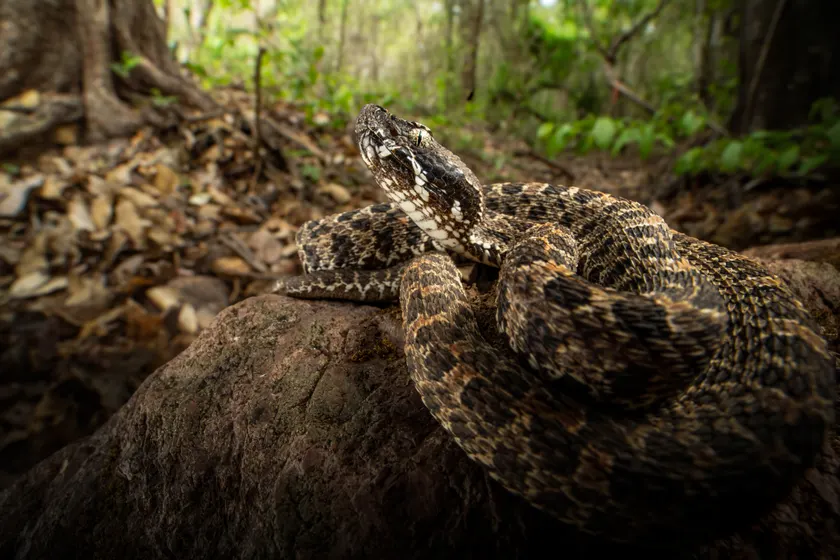
Vipers sit still for hours, which makes them easy to photograph if you keep your distance. This is what the photography guides on Lyferr teach first: a longer macro, diffused flash, eye-level angles, and never stepping closer for the shot.
- BEST LIGHT
- First 2 hours after dark
- TYPICAL DISTANCE
- 1 to 3 m
- LENS
- 150 to 200 mm macro
- PHOTO TOUR GROUP
- max 4
SNAKE PHOTOGRAPHY TRIPS FROM LOCAL GUIDES
Compare snake photography trips
- Clear refunds
full refund up to 6 months before trips and 7 days before day tours, half until 60 days or 48 h before, on every booking made through Lyferr. Lyferr's commission and the card fee are not refunded.
- Reserve with 25%
secure checkout on Lyferr, the rest paid before your tour
- Group size, upfront
every listing shows its maximum group size
- Your guide, confirmed
guide's name arrives with your confirmation and you message them in Lyferr
- Real reviews
only travellers who booked can review
HOW BOOKING WORKS
- 1
Pick a tour or trip on Lyferr
- 2
Choose your date and pay the 25% deposit on Lyferr
- 3
The guide confirms within 24 h. You message them in Lyferr
- Deposit protected
- Verified trips
- No paid ranking
Prices are set by each guide. The price you see is final. Lyferr's commission comes out of the guide's price, not on top. Each card opens the tour's page on Lyferr.
PHOTOGRAPHY GUIDES WITH A REVIEWED PORTFOLIO
Guides who shoot, not just spot
A snake photo walk is built around patience and distance. These guides are photographers first. They know where the vipers are resting this week, how to light a snake without stressing it, and how to keep everyone at a safe distance.
| PHOTO TOUR | STANDARD WALK | |
|---|---|---|
| Group size | PHOTO TOUR: Max 4 photographers | STANDARD WALK: Up to 8 |
| Time at each sighting | PHOTO TOUR: As long as the light is good | STANDARD WALK: About 5 to 10 minutes |
| Start time | PHOTO TOUR: Before sunrise | STANDARD WALK: Park opening |
| Your guide | PHOTO TOUR: A photographer who positions you for light and background | STANDARD WALK: A naturalist who finds and explains wildlife |
| Monopod or tripod | PHOTO TOUR: Welcome, the pace allows it | STANDARD WALK: Usually impractical |
Are you a wildlife photographer and guide in Costa Rica?Join Lyferr as a photo guide →
SNAKE PHOTOGRAPHY FIELD GUIDE
What the photo guides tell their clients
Pick a topic. The first one is open.