

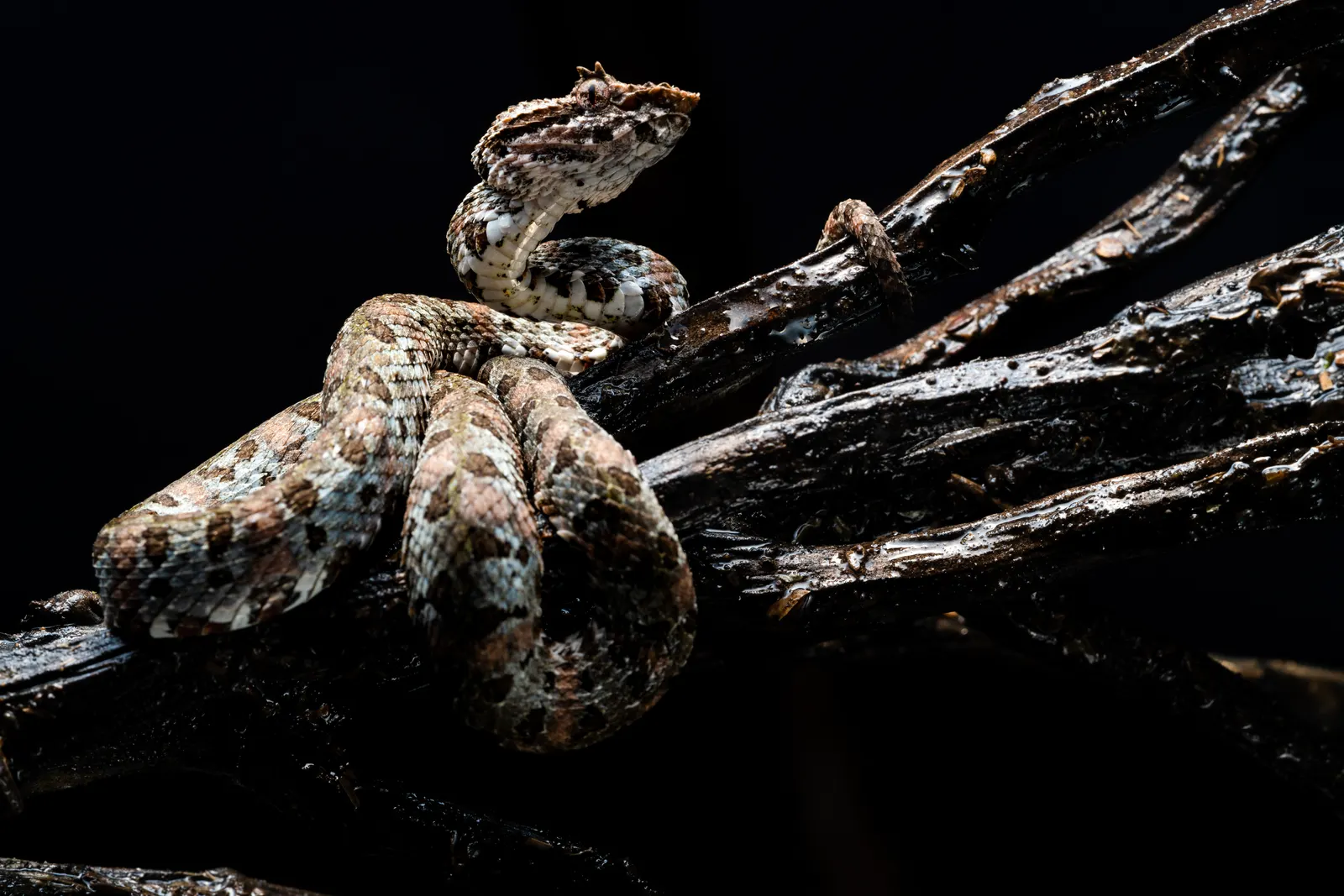
· 8 min read · Updated October 2026
Dangerous Animals in Costa Rica: What's Actually Risky and How to Stay Safe
Most visitors never meet a dangerous animal. The real risks are rip currents, mosquitoes and the odd snake on a night trail, and all of them are easy to manage. Here's the honest picture, place by place, from a guide who grew up here.
By Lior, wildlife photographer and guide from Guanacaste
Reserve with a 25% deposit on secure lyferr.com checkout · Full refund up to 48 h before (60 days for trips), except Lyferr's commission
WHERE WILL YOU BE?
The short answer
IS COSTA RICA DANGEROUS?
Not because of animals
Serious incidents with wildlife are rare for visitors
THE BIGGEST REAL RISK
The sea
Rip currents cause most drownings on the coast
SNAKES?
Rare bites, local antivenom
Public hospitals stock antivenom made in Costa Rica
BIG CATS AND SHARKS?
Almost never
Most visitors never see one, let alone get close.
TRIPS AND TOURS WITH LOCAL GUIDES
Explore safely with a local guide
Guides know where the animals are and how close is too close. Multi-day trips first; short on time? Switch to day tours.
No safety-friendly tours listed yet
We only list guides who pass our checks, and none of their night walks, river tours or guided hikes is listed yet. Tell us your dates and we'll match you with a local guide as soon as one joins.
Ask Lyferr a question- Clear refunds
up to 60 days before trips, 48 h before day tours, on every booking made through Lyferr. Lyferr's commission is not refunded.
- Reserve with 25%
secure checkout on Lyferr, the rest paid before your tour
- Group size, upfront
every listing shows its maximum group size
- Your guide, confirmed
guide's name arrives with your confirmation and you message them in Lyferr
- Real reviews
only travellers who booked can review
HOW BOOKING WORKS
- 1
Pick a tour or trip on Lyferr
- 2
Choose your date and pay the 25% deposit on Lyferr
- 3
The guide confirms within 24 h. You message them in Lyferr
- Deposit protected
- Verified trips
- No paid ranking
Prices are set by each guide. The price you see is final. Lyferr's commission comes out of the guide's price, not on top. Each card opens the tour's page on Lyferr.
LYFERR IS A MARKETPLACE
We don't run tours. Independent local guides and operators list them, we vet every one and show each record openly, and you reserve through Lyferr's secure checkout on lyferr.com.
How it worksFEAR VS REALITY
What's actually dangerous in Costa Rica
The animals people fear most are the ones visitors almost never meet. The real risks are in the water and the air, and they're easy to manage.




1. The real risks
Rip currents · mosquitoes
- Most common
Rips cause most deaths on Costa Rica's beaches, and dengue comes from mosquitoes in towns. Both are easy to avoid.
2. Real but rare
Fer-de-lance · crocodiles
- Respect them
Bites and attacks on visitors are rare. Watch your step at night and stay out of river mouths.
3. Painful, rarely dangerous
Ants, wasps, stingrays, scorpions
- Ouch, not harm
A sting hurts for hours, not days. Shuffle your feet in shallow water and shake out your boots.
4. Scary, almost never a problem
Big cats, sharks, boas, tarantulas
- Lucky to see one
Most visitors never see a jaguar or a shark. If you do, it's the highlight of the trip.
Swim where there are lifeguards
Ask where rips form. If one pulls you out, swim parallel to the shore, then back in.
Use a torch at night
Wear closed shoes on trails after dark and look before you step or grab a branch.
Use repellent and cover up
Mosquitoes bite most at dawn and dusk. Repellent beats any animal danger.
A night walk with an experienced local guide is the safest way to see snakes, frogs and spiders up close.
Compare night walksSITUATION BY SITUATION
Where you'll be, and what to watch for
- BEACH AND SURF
At the beach
Rip currents are the real danger. Swim near lifeguards, never alone, and ask where the rips are. Shuffle your feet for stingrays.
- RIVER MOUTHS
Near rivers and mangroves
Crocodiles live in estuaries on both coasts. Don't swim or surf at river mouths, and keep kids and dogs back from the bank.
- FOREST TRAILS
On a rainforest hike
Stay on the trail and look before you grab a branch or step over a log. Bullet ants and wasps hurt more than they harm.
- AFTER DARK
On a night walk
This is when snakes, spiders and scorpions are out. Closed shoes, a good torch and a guide who knows where to look.
- IN THE WATER
Snorkelling and diving
Sharks are rarely a problem and usually a highlight. Jellyfish and sea urchins are more likely. Don't touch the reef.
- AT YOUR LODGE
Where you're staying
Shake out shoes and towels, keep doors closed at night and never leave food out for monkeys and coatis.
RISK, ANIMAL BY ANIMAL
How risky each animal really is
Ranked by the real risk to a visitor, not by how scary they look. Each one links to its own guide with where you might meet it.
- Dawn and dusk
- Rainy season
- Tree trunks
- Rainforest
- Trails
- Dry season
- Shuffle your feet
- Pacific beaches
Our guides' estimate of the risk to a visitor who follows basic precautions. General information, not medical advice.
Each animal has its own guide with where you might meet it and how to stay safe.
Compare night walksFIRST AID
If something happens
- CALL 911
If someone is bitten by a snake
Keep them calm and still, remove rings and tight clothing, and get to the nearest hospital or clinic. Public health centres across Costa Rica stock antivenom.
Don't cut, suck, ice or put a tourniquet on the bite. Take a photo of the snake only if it's safe to do so.
Stings, bites and rips
For bee, wasp or ant stings, remove stingers and use a cold compress. Get help fast if the face swells or breathing gets hard. For a stingray, soak the foot in hot water and see a doctor.
Caught in a rip? Don't fight it. Swim parallel to the shore, or float and wave for help.
MYTHS VS FACTS
Four fears that don't match reality
These are the animals people ask about most. Here's what's true, and how to see them safely if you want to.
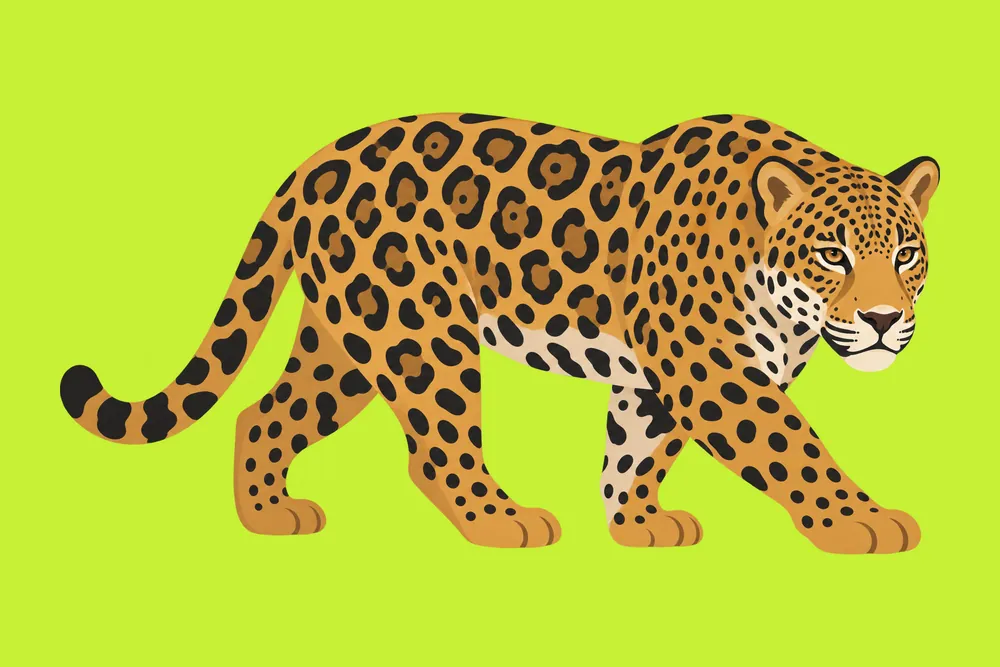
Jaguar
Panthera onca
- Local name
- Jaguar or tigre
- The myth
- Jaguars stalk people in the rainforest
- The fact
- They avoid people. Most locals never see one in their lives
- Where you'll see it
- Corcovado, on camera traps
- Best tour
- Camera trap tour
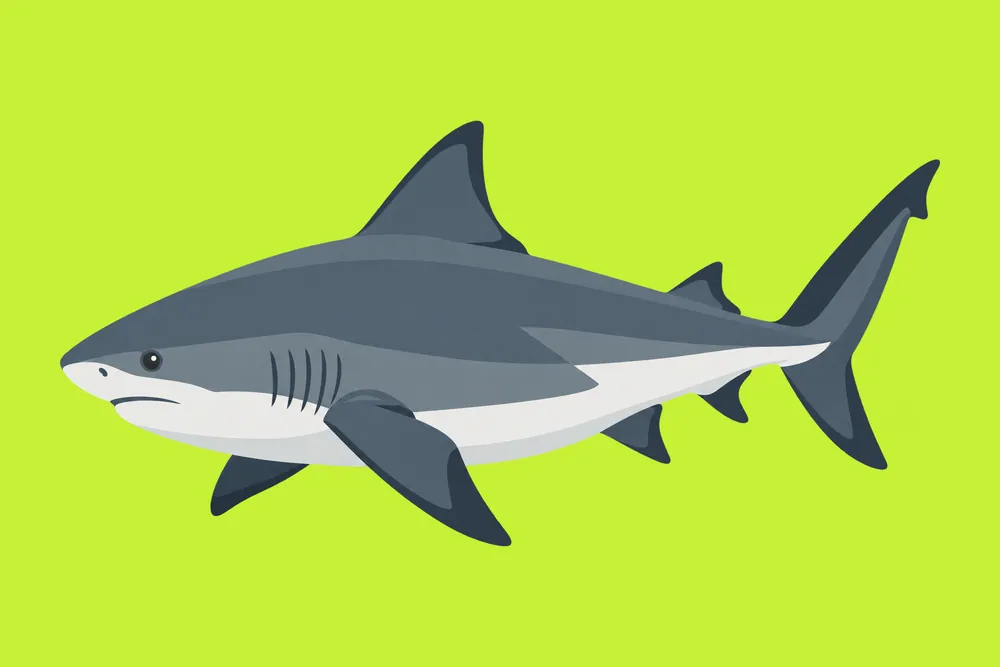
Bull shark
Carcharhinus leucas
- Local name
- Tiburón toro
- The myth
- Surf beaches are full of sharks
- The fact
- Bites are very rare. Rip currents are the real beach risk
- Where you'll see it
- Bat Islands, on a dive
- Best tour
- Bat Islands dive
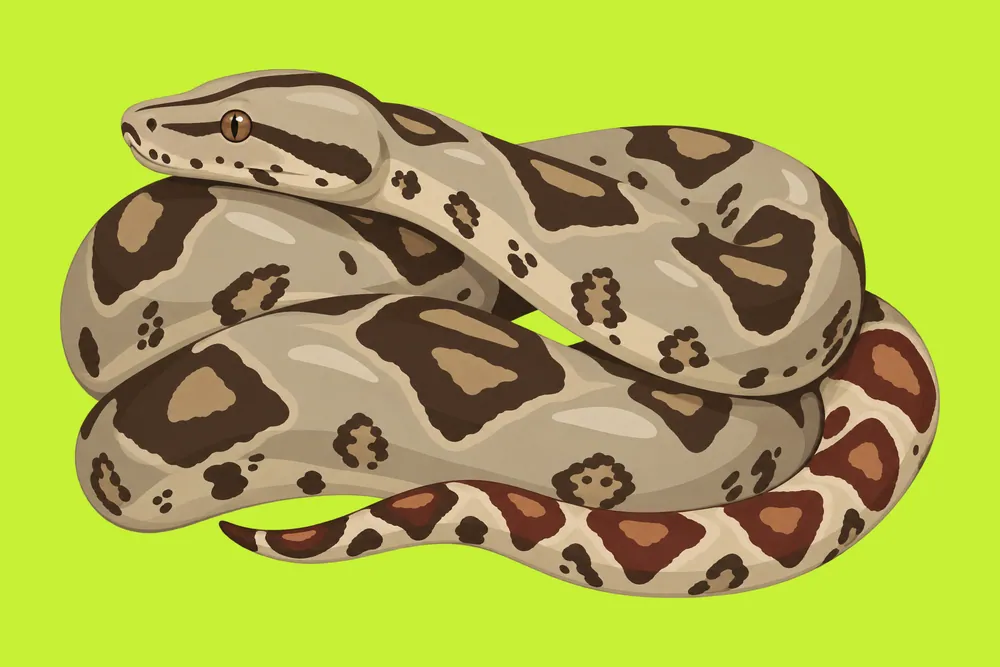
Boa constrictor
Boa imperator
- Local name
- Boa or béquer
- The myth
- Boas attack and crush people
- The fact
- Not venomous, and calm unless someone handles them
- Where you'll see it
- Dry forest in Guanacaste
- Best tour
- Night walk
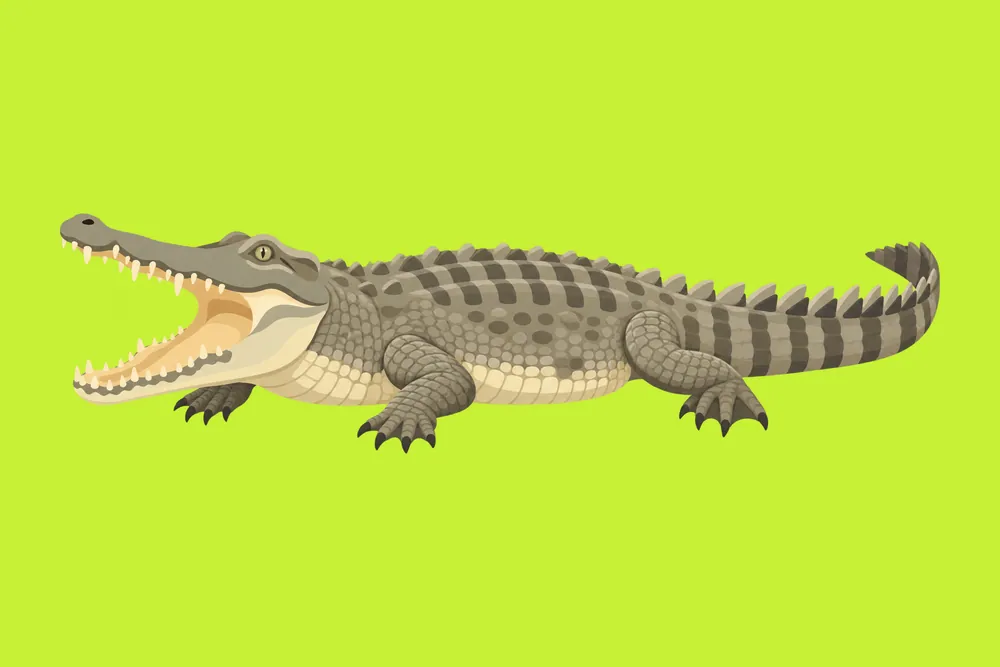
American crocodile
Crocodylus acutus
- Local name
- Cocodrilo
- The myth
- Crocs attack beach swimmers
- The fact
- Attacks are rare and happen near river mouths
- Where you'll see it
- Tárcoles bridge and river mouths
- Best tour
- River boat tour
SAFER WITH A GUIDE
Why a guide makes the forest safer
Most incidents with animals happen when people go off trail at night, swim where locals don't, or try to touch or feed wildlife. A licensed guide removes most of that risk, and you'll see far more.
WHY A GUIDE MATTERS
What a good guide does for you
A good guide turns a nervous walk into the best night of the trip:
- Spotting snakes and crocs before you get close, so you see them at a safe distance.
- Knowing which beaches have rips and which rivers have crocodiles.
- Keeping the group on the trail, with the right shoes and light.
- Telling you honestly when conditions aren't safe, and turning back.
FIELD TIP FROM LYFERR
Most problems come from rip currents, sunburn and walking at night without a torch, not from animals. Watch your feet and ask your guide before you swim.
WHAT TRAVELLERS SAY
Reviews of guides on Lyferr
No reviews yet. Verified Lyferr reviews appear here as travellers complete tours.
We show ratings and link to the original reviews; we never copy review text from other sites. Only travellers who booked can leave one.
SAFETY FACTS PEOPLE ASK ABOUT
- EMERGENCY
- 911
- the emergency number anywhere in Costa Rica
- IF BITTEN
- Antivenom
- stocked at public hospitals and clinics, made in Costa Rica
- AT THE BEACH
- Rips
- cause most drownings on Costa Rica's beaches
- SHARKS
- <20
- recorded shark bites in Costa Rica's history
- ON TRAILS
- Terciopelo
- local name of the fer-de-lance, the snake guides watch for

Who wrote this
Lior, founder of Lyferr
Wildlife photographer and guide, and a finalist in the Sony World Photography Awards and Wildlife Photographer of the Year. Lior grew up in Guanacaste, on the Pacific coast. This guide is what he tells friends before they go.
- Sony World Photography Awards finalist
- Wildlife Photographer of the Year finalist
- Born in Guanacaste
FAQ
Frequently asked questions
No. Serious incidents with wildlife are rare for visitors. The real risks are rip currents, mosquitoes and the roads, and you can manage all three.
No. Lyferr is a marketplace. Licensed local guides and tour operators list their tours here. Each listing shows the licence, verified reviews and, once trips are logged, the sighting record. Listings are sorted by date, and nobody pays to appear higher. You book and pay the deposit through Lyferr, and the operator you choose runs the tour.
You reserve with a 25% deposit on Lyferr's secure checkout and pay the rest before your tour. The price you see is final: Lyferr's commission comes out of the guide's price. If you cancel at least 60 days before a trip, or 48 hours before a day tour, you get everything back except the commission. Your tour is run by the guide or operator you chose; after booking you message them through Lyferr.
For visitors, the mosquito, because of dengue. Among the animals people fear, the fer-de-lance causes most snakebites, but bites on tourists are rare.
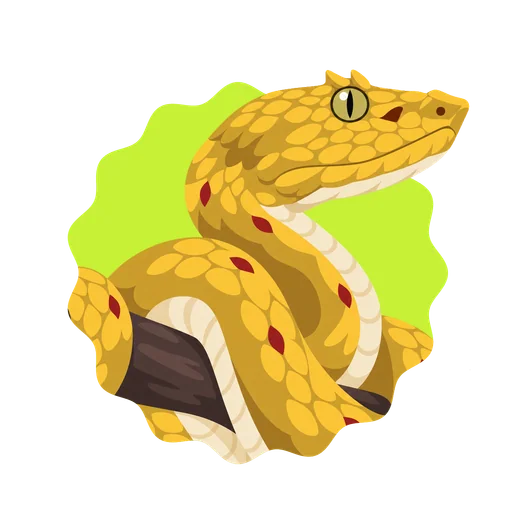
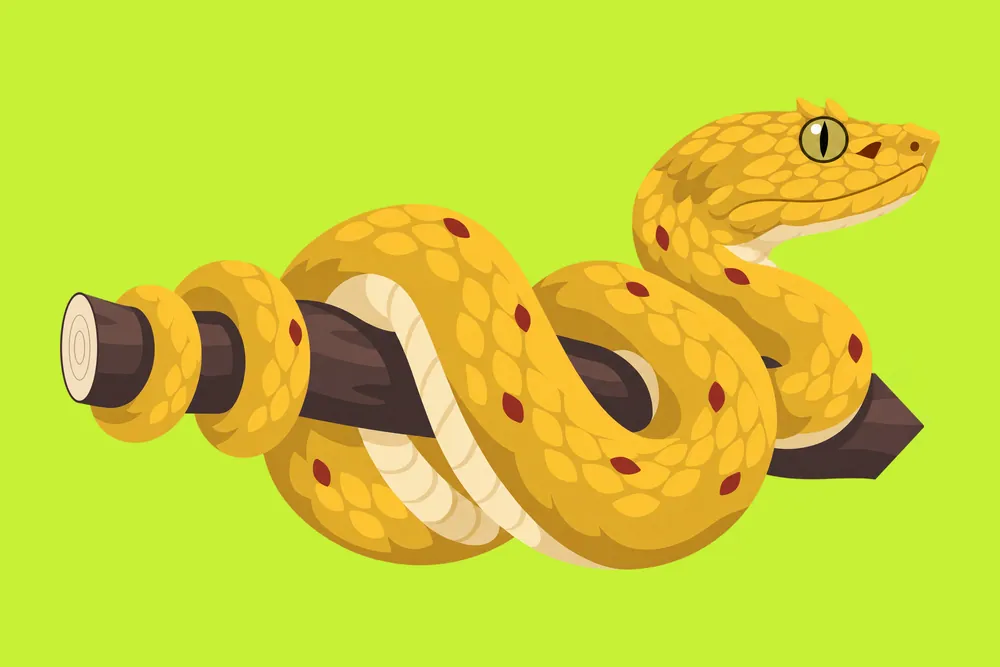
Yes, around 20 species, including the fer-de-lance, eyelash viper, bushmaster and coral snakes. You're unlikely to see one by day. On a night walk, a guide will show you from a safe distance.
Stay calm, keep the limb still and get to the nearest hospital or clinic, or call 911. Don't cut, suck or use a tourniquet.
No. Crocodiles live in estuaries on both coasts. Swim and surf away from river mouths, especially at dawn, dusk and after rain.
Yes, with an experienced local guide, closed shoes and a torch. Guides spot snakes before you get close and keep the group on the trail.
Only when people feed or grab them. Capuchins and coatis used to food can bite or steal. Never feed wildlife.
Sometimes, in older or open-air rooms. Shake out shoes, towels and clothes. Stings hurt but are rarely dangerous; see a doctor if a child is stung.
Take it seriously. Use repellent, cover up at dawn and dusk and choose rooms with screens or air conditioning. See a doctor if you get a high fever.
Still have a question?Ask Lyferr →
Keep exploring
More Costa Rica wildlife
Most trips combine two or three of these. Each guide covers where, when and the local guides who know them.
Sharks
Beach safety and dive sites
Where to see them →Snakes
Night herping, safely
Where to see them →Crocodiles
River tours at Tárcoles
Where to see them →Wild cats
Rare, and how to see one
Where to see them →Hummingbirds
50+ species and how to shoot them
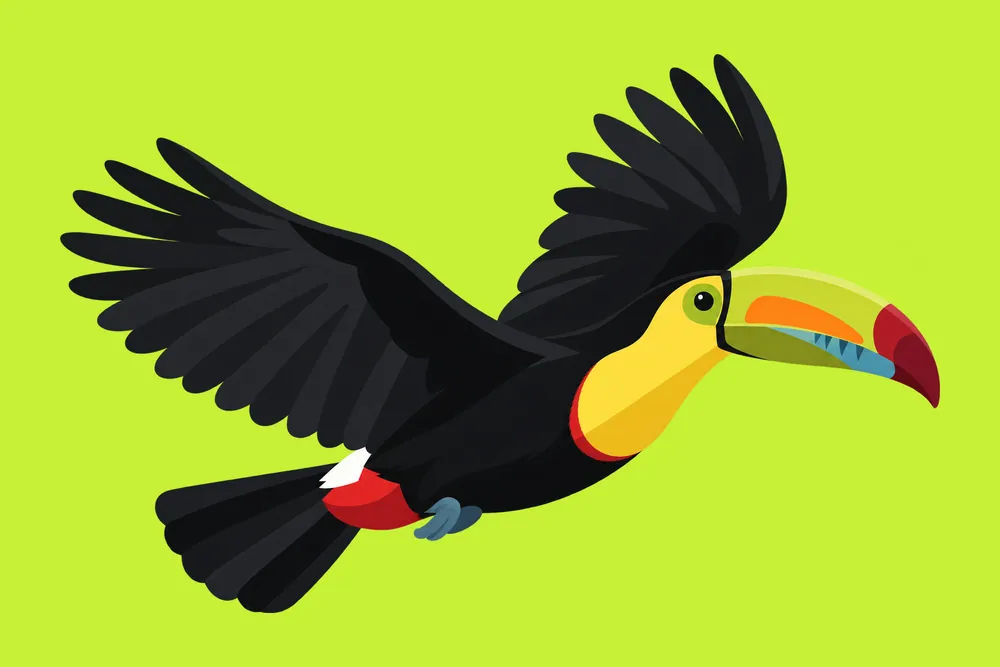
Where to see them →Toucans
Six species and the toco myth
Where to see them →Frogs
Night walks and poison frogs
Where to see them →

1 of 7