 Multi-day trip
From$5,550per person
· Updated October 2026
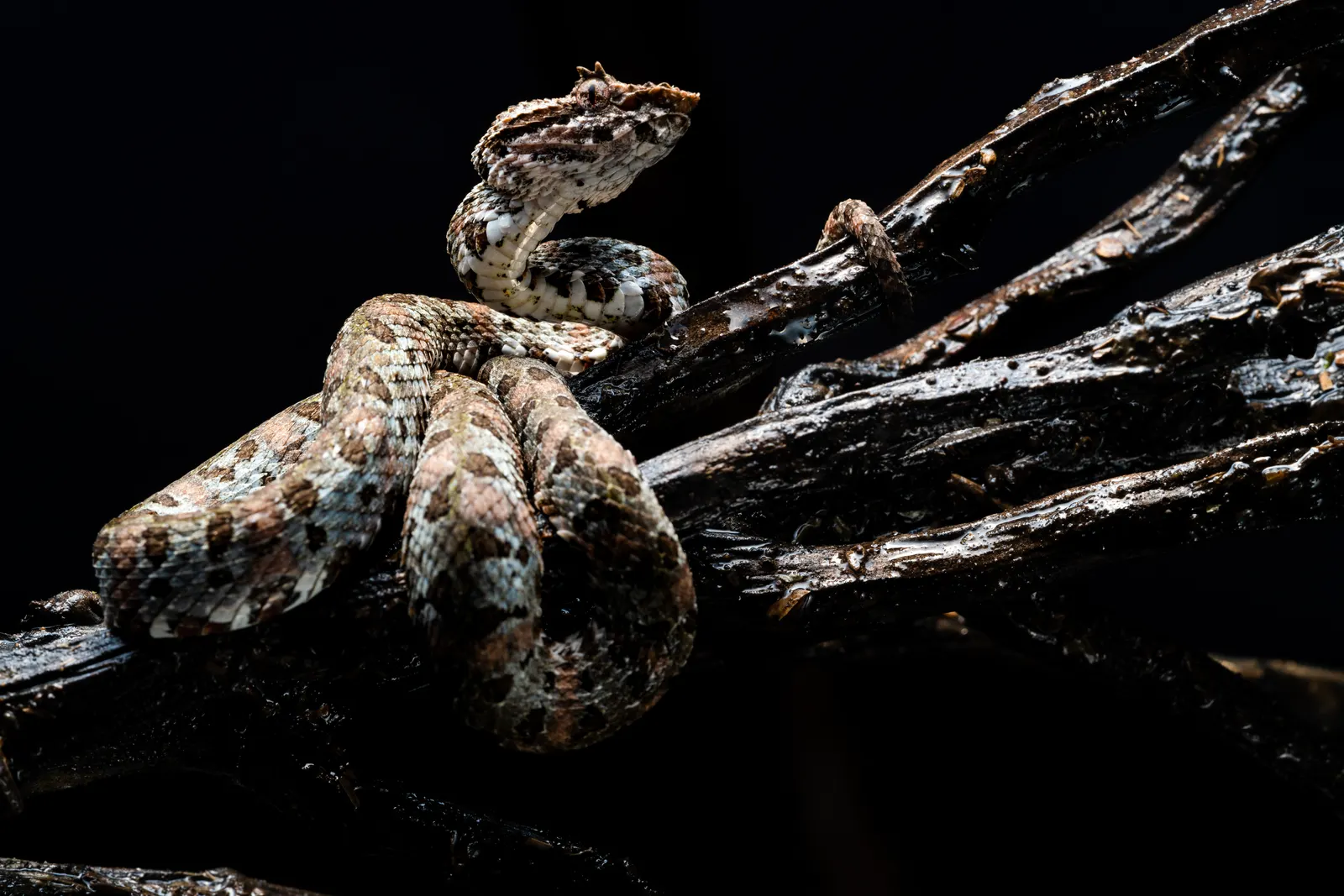
The best time to see the fer-de-lance (terciopelo) at Sarapiquí in Costa Rica is May–Nov, with the most activity wet-season nights. Sightings fall off sharply outside that window, so timing the trip matters as much as the location.
By Lior, wildlife photographer and guide from Guanacaste
Reviewed by Lior Berman · Updated October 2026
Based on eBird, iNaturalist and Happywhale records. How we work it out · Month by month
Fer-de-lance (Terciopelo) viewing is best May–Nov, with the most activity wet-season nights. The terciopelo is an ambush predator that sits motionless and perfectly camouflaged, mostly at night — found on guided night walks where an experienced herper controls distance. No handling.
The most dependable area is humid lowland and foothill forest, including the Sarapiquí/Caribbean lowlands. Other productive sites include Sarapiquí, Caribbean lowlands. A guide who knows which is working this week beats picking one off a map.
Photograph at a safe, guide-set distance with a 100–300mm and diffused flash; there’s no reason to get close to a venomous, medically significant snake.
We list the local guides who specialise in the fer-de-lance (terciopelo), side by side. No guide can promise a sighting: we show who works it to improve your odds, not to promise an outcome.
SNAKE TOURS FROM LOCAL GUIDES AND OPERATORS
Multi-day trips put you in two or three snake areas. Short on time? Switch to day tours.
1–2 of 2
Multi-day tripFrom$5,550per person
 Multi-day trip
11 DAYS · SAN JOSÉ, COSTA RICA
From$3,850per person
1 of 2 · swipe
Showing 2 snake trips from local guides.
See snake tripsNot ranked. Nobody pays to appear higher. How listings work
Want it private?
1 guide runs snake tours just for your group. Your pace, your start time.
full refund up to 6 months before trips and 7 days before day tours, half until 60 days or 48 h before, on every booking made through Lyferr. Lyferr's commission and the card fee are not refunded.
secure checkout on Lyferr, the rest paid before your tour
every listing shows its maximum group size
guide's name arrives with your confirmation and you message them in Lyferr
only travellers who booked can review
HOW BOOKING WORKS
Pick a tour or trip on Lyferr
Choose your date and pay the 25% deposit on Lyferr
The guide confirms within 24 h. You message them in Lyferr
Prices are set by each guide. The price you see is final. Lyferr's commission comes out of the guide's price, not on top. Each card opens the tour's page on Lyferr.
All tours in Costa Rica →SNAKE GUIDES
We invite guides with years of work built around snakes and review each one before they're listed. The first snake guides show here as they join.
Are you a snake guide?
Species expert program
Lyferr is new, so we don't rank guides on trips booked here yet. We start by inviting guides with years of work built around snakes, and we review each one before the badge goes on their profile.
Years guiding snakes
Several years of tours focused on this species, not wildlife tours in general.
Work we can check
Traveller references and a public record of their work, such as eBird, iNaturalist or published photos, reviewed with Lyferr on a video call.
Earned species by species
A guide can hold several badges. Each one is reviewed on its own.
How a guide becomes a Founding Expert
Founding badges rest on each guide's years of work with this species, checked by Lyferr. As trips are booked and reviewed on Lyferr, that record shows on the guide's profile next to the badge.
No guide can promise a sighting. The badge shows years of focused work with this species, reviewed by Lyferr.
Apply as a Snake Expert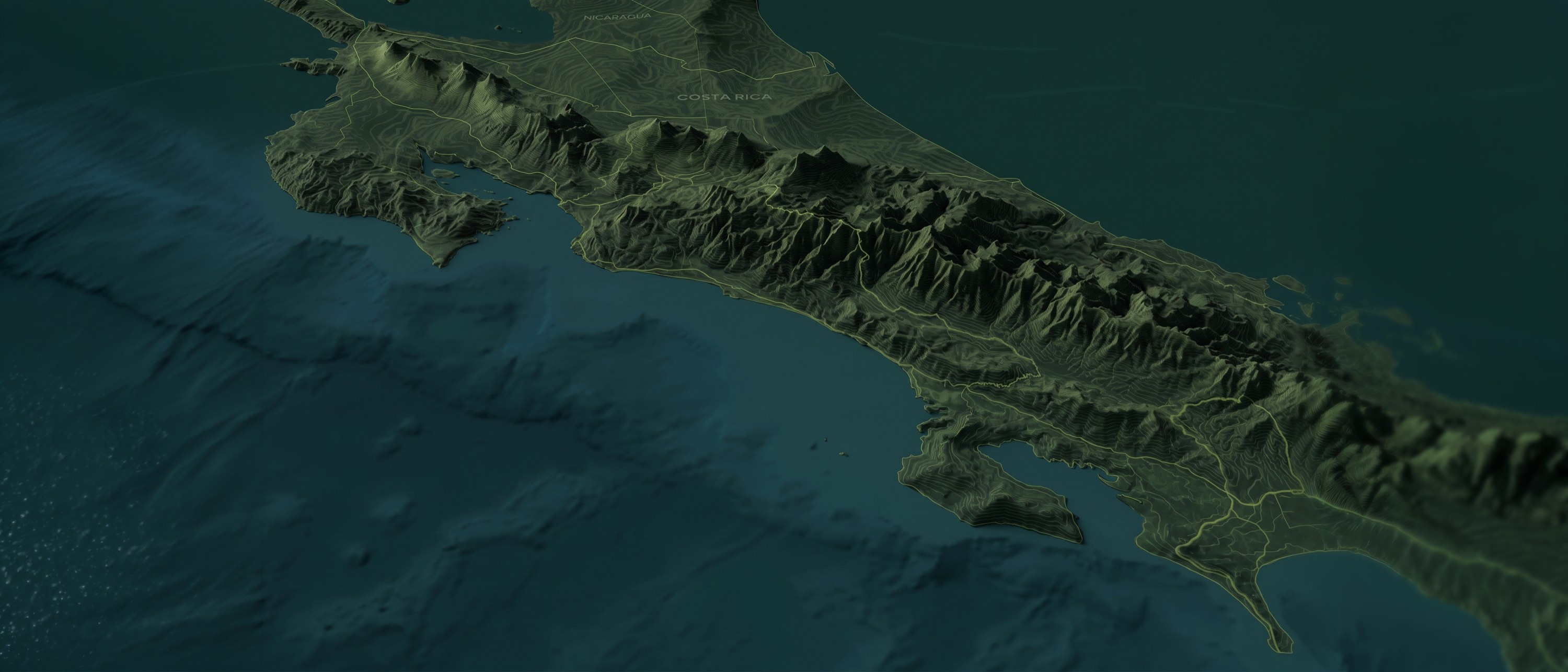
Pins: best snake odds, plus what fits the same tripSnake odds + nearby
Main animal
3 best places · tap to switch
1 · November · Tap a bar to change
Best visibility: Jan–Jun, Sep–Dec
2 · Want to see more? Tap to add
3 · How many days?
Suggested: 1 dayWe suggest 1 day. That is enough to very likely see snakes; more days add little.
With a guide 90% · On your own 10%
Why a guide · Snakes: It is out at night, and the guide knows where to look with a light.
chance to see snakes in 1 day. Based on 321 days in the field on iNaturalist people logged in November. An estimate from public records, and a floor: guided tours to known sites do better.
Sources: eBird, iNaturalist via GBIF · How we estimate
Logged by Lyferr guides
0/20
Logs start with the first tours
Guide logs, misses included
What raises your odds
Tap one to see the tours that already do it.
FAQ
Fer-de-lance (terciopelo) inhabit humid lowland and foothill forest on both slopes, including the Sarapiquí and Caribbean lowlands. They’re found on guided night herping walks, where an experienced guide locates the well-camouflaged, ambush-hunting snake safely and at a respectful distance.
The wet season, roughly May to November, brings more activity, and the fer-de-lance is primarily nocturnal, so night walks are essential. Sightings are a matter of night effort in the right habitat with a trained eye, rather than a fixed peak week.
With an experienced herping guide, yes — observation is done at a safe distance with no handling. The fer-de-lance is venomous and medically significant, so a trained guide who controls distance and group positioning is essential. Lyferr lists guides with verified herping track records.
All answers stay in the HTML (expanded for crawlers); only the display collapses.
Still have a question?Ask Lyferr →
Keep exploring
Most trips combine two or three of these. Each guide covers where, when and the local guides who know them.
Both species, town by town
All 4 species, town by town
Nesting season, month by month
Two humpback seasons a year
Over 900 species, 10 hotspots
50+ species and how to shoot them
Six species and the toco myth
Night walks and poison frogs
1 of 8

Who wrote this
Wildlife photographer and guide who grew up in Guanacaste, and a finalist in the Sony World Photography Awards and Wildlife Photographer of the Year. Lior has spent years finding and photographing snakes across Costa Rica. This guide is what he tells friends before they go.